
 The doors to THE PIG-in the Cotswolds will be flung open on Monday 2nd September with bookings opening next week.
THE PIG-in the Cotswolds is tucked away in picture-perfect Barnsley, just four miles from Cirencester and within striking distance of the cobbled-street towns of Bibury, Burford and Bourton-on-the-water. A little further away is the spa town of Cheltenham; home to much-loved festivals of literature, jazz and the Cheltenham Races. THE PIG-in the Cotswolds is a honey-hued 17th century Grade II gem, with original listed gardens designed by renowned gardener Rosemary Verey. This genuinely unspoilt, elegant building has been sensitively restored to keep the character and original features of this beautiful house while still being classically PIG; rooms that feel lived-in with rich fabrics, reclaimed pieces and cosy corners you can really relax in. Plus, there are very large characterful bedrooms with spacious showers and big bathtubs, either in the room or in a separate, large bathroom. Each bedroom has all the comfy, familiar furnishings that are classically PIG, with many rooms overlooking the original arts and crafts style gardens. Heading into the ornamental gardens, these were Rosemary Verey’s first ever creation - the true essence of quintessential English beauty filled with listed archways, potager gardens and a lush Laburnum walkway. Additionally, there are Simon Verity sculptures and a listed Gothick Summerhouse plus hidden rooms, secret gardens and a small but perfectly formed spa, the Field Spa. Tucked away in the gardens, the spa has treatment rooms, a sauna and a sunny outdoor terrace. Beyond the back of the house is the large Kitchen Garden - the beating heart of the restaurant’s 25 mile menu. THE PIG gardening team has taken inspiration from the surroundings and history of the land to grow delicious homegrown produce that make up THE PIG’s seasonal dishes. Rooms start from £250 per night for an Extremely Small, to £775 per night for the real showstoppers tucked away in the historic gardens. www.thepighotel.com
0 Comments
CHEF-OWNERS BEHIND THE HALFWAY AT KINETON TAKE ON THE HORSE AND GROOM IN BOURTON ON THE HILL17/6/2024 Following a hugely successful first year as publicans of The Halfway at Kineton, acclaimed chefs Nathan Eades and Liam Goff are excited to announce the expansion of their culinary portfolio in the Cotswolds. Located in a stunning hillside location in Bourton on the Hill, The Horse and Groom, a favourite with both locals and visitors alike, has been purchased by Donnington Brewery and will reopen on Friday 28th June, 2024.  The pub boasts a beautiful restaurant with over 50 covers, a relaxed walk-in bar, perfect for drinks, lunch, dinner and a place to watch all the best horse racing which adds to the home comforts of a country pub. Upstairs, the Horse and Groom has five charming and generously-sized guest bedrooms with spectacular views that celebrate its much-loved surroundings. The alluring Cotswolds landscape can also be enjoyed from the laid-back tranquility of the large garden which offers a combination of open and sheltered seating and provides the perfect setting to enjoy the British countryside all year round. In a similar theme to The Halfway at Kineton which is known for serving exceptional food in a relaxed atmosphere, there will be a huge emphasis on creating a home-from-home feel with hearty seasonal dishes, while championing some of the Cotswolds’ finest producers, including Paddock Farm, Cacklebean Eggs and local game, accompanied with a pint or two of the renowned local Donnington ales. Nathan says: “The Horse and Groom has been the bastion of North Cotswolds pub scene for many years, and we are both thrilled, ridiculously excited and somewhat pinching ourselves to be the new custodians of such a much-loved pub. We want to create a pub that our locals love and the tourists dream of having on their doorstep. We cannot wait to open the doors, (and our kitchen!) and welcome everyone new and old" Table bookings are open via the Horse and Groom website. www.pubonthehill.com  Nathan Eades and Liam Goff
When making dinner plans in Stow on the Wold, it usually consist of checking The Old Butchers' website for tables, and when they are full dropping Pete and Louise a message to see if they can squeeze us in. I'm pretty biased as I live just down the road, and If you can ignore trying to park during the day and driving through the town in the summer, Stow is brilliant. Not only has it got history and beautiful honey-coloured architecture coming out of both both nostrils, it also boasts one of our favourite brunch spots in The Hive, D'Ambrosi which offers the most incredible 'food-to-go' (go and check it out for yourselves as that sentence doesn't do it justice) and in our view, it's the 'coffee capital of the Cotswolds' with at least five properly good places to enjoy a caffeine hit, including one the smallest coffee roasters in the UK, Stow Town Coffee. There's also The Old Stocks. And if that sounds like a bit of an after thought, it was meant to. They like to promote themselves as the "best kept secret" (which nobody really wants to be) and it always seems to play second fiddle to The Old Butchers with the locals. There is absolutely no reason why. The last couple of times we have eaten here, we always kick ourselves that we haven't been back sooner, yet once again, we have left it over two years to come back which is completely crazy. A lot has happened since our last visit. King Charles III was coronated, The Beatles released a new record and John Broughton became Head Chef at The Old Stocks. The latter happened back in November, but as I detest winter and hibernate for most of it, it has taken until now to finally go. The appointment of John is huge. For eighteen months before arriving at 'The Stocks', he was Sous Chef, then Head Chef at the excellent Royal Oak at Whatcote, the only pub in the Cotswolds to hold a Michelin Star. Prior to that, he spent five years at Foxhill Manor. With a Christmas menu already written before he got there, it has taken until the last couple of months for him to properly put his stamp on the food. The menu he has created is designed as a two or three-course menu. You can have one course if you wish. It's all explained on the first page of the leather-bound files you get presented with as you get seated. I missed the section about the £2 unlimited still or sparkling water for the table that gets donated to charity as I said "tap is fine please" when asked. I'm too used to seeing £15 added to my bill and nobody owning up to ordering it. Also explained is "The Tasteful Twelve", an idea stolen from a restaurant that GM Richard once visited, which on the surface sounded a bit gimmicky but is actually a lovely addition to the experience. The easiest way to describe it is that each of you roll a dice and the number it lands on corresponds with a flavoured liqueur which they add to a glass of prosecco. It's a clever way to break any ice between the servers, a conversation starter for the table and it shows that there's a playful element to the evening.  THE TASTEFUL TWELVE The menu is short, consisting of four starters and six mains. I have no idea if it is or it isn't, but I always feel that it must be excruciating writing a menu for a hotel. Having to find a balance for overnight guests and the general public. I think they have got it spot on here. And if, like me, you have a preconceived view that some hotel restaurants are a little bit stuffy with no atmosphere, The Old Stocks is the complete opposite. It was a Wednesday night, vibrant and full to the brim. We opted for Cornish Crab tortellino, crab bisque & sea herbs and the Smoked ham hock and chicken terrine, piccalilli to kick things off, followed by the Duck breast, confit leg and liver croquette, with celeriac, pancetta and sherry and duck sauce and the Beef, caramelised onion, spring onion, mushroom and Madagascan pepper sauce for our mains. The sharing Côte de Boeuf was very tempting. Even knowing Chef John's background, I was still a little unsure what to expect. The Old Stocks' ethos has always been to offer luxury without being stuffy or pretentious. This food is certainly luxury, yet far from stuffy and pretentious. The cooking is, as expected, utterly superb. The crab starter was so good you would have been excused for thinking you were sitting by the coast rather than in the middle of the North Cotswolds, while although a terrine is never going to blow our minds, the braised ham hock and confied chicken legs were perfectly smoked and the piccalilli was beautifully smoked.  HAM HOCK AND CHICKEN TERRINE The beef rump and duck are water bathed first then seared and sliced for presentation exposing the perfect rose as explained by our superb waiter, and restaurant manager, Bogdan. He wasn't wrong, and I'm unsure if I have ever eaten more tender meat in my life. The beef is served with boulangere potatoes, thinly sliced, layered with Lyonnaise onions and cooked with beef stock, classic mushroom duxelle, chard spring onion and pepper sauce complete the dish. As I mentioned before, this is proper cooking. With that said, the duck was possibly even better. Served with confit leg and liver croquette, celeriac and a beautifully rich sherry and duck sauce. You understand after the mains why two courses are encouraged as one course just isn't enough and doesn't do it justice. We added a fondant potato side to share which was topped with buttered mash.  CARVER DUCK BREAST For pudding we opted for a Hazlenut Choux to share and an Espresso Martini (not to share). I'm no Greg Wallace, but I think I'm a good judge of a pudding. The fact I haven't got a sweet tooth and only ever "want one mouthful" means that if I have more that one, then it's got to be good, right? This was a choux bun was filled with hazelnut crémeux, candied hazelnut and praline ice cream and I definitely had at least half of it.  HAZELNUT CHOUX Getting John Broughton in the kitchen has elevated the food to a new level. It's up there with some of the best food I have eaten for quite a while and you can tell the level of attention given to the menu in each mouthful. You will need two courses, not just to fill you up but purely because it tastes so good. It, definitely, won't be another two years until our next visit. www.oldstocksinn.com  JOHN BROUGHTON DEYA, in collaboration with FOUR CATS, will be opening a new venue, The Swamp, in Unit 33/34 Lansdown Industrial Estate, Cheltenham. Coming August 2024. Taking over DEYA's former Mixed Fermentation Taproom (and our OG Brewery), the Swamp will offer a lineup of delicious DEYA beers, fresh FOUR CATS cocktails, and banging natural wines. A brand-new kitchen will provide amazing plates to accompany the drinks. Built on collaboration, this is a place that brings people together. The Swamp will offer walk-ins and reservations from 4pm until midnight on Thursdays, Fridays, and Saturdays. It's a cosy alternative to the main Taprooms for a drink, a bite to eat, and intimate service. The space will also host an eclectic calendar of festivals and events.  “When imagining rejuvenating our OG DEYA brewery and taproom, collaboration has always been at the heart of the project. Our aim for The Swamp is to create a space that is unique to anything else Cheltenham currently has to offer. We feel that FOUR CATS was the perfect partner.. Working together to create an exciting menu of beer, cocktails, and an extensive events calendar for visitors of Cheltenham to enjoy.” - Katie Brown, DEYA, Brand Manager “DEYA’s Mixed Ferm taproom always felt like a hidden gem to me. It’s an intimate, cosy space that contrasts perfectly with the main Tappy’s bustling beer hall vibe. We’re over the moon to be joining DEYA in reimagining their original unit as The Swamp. We’re really going to focus on maintaining the same kind of welcoming, friendly atmosphere and genuine service whilst extending the selection of quality bevs and making it accessible to everyone” Matt, FOUR CATS, Founder Opening Hours: Thurs-Sat 4pm-12am They are also offering the space out for private event hire. Contact [email protected]   "What are you up to next Tuesday?" a friend asked me just over three weeks ago. Before I had the chance to find an excuse, it was soon followed with "A friend has started Fade Projects and creates Big Green Egg/Fire cooking classes and feasts. The food will be insane, and it's only in Guiting Power, so I'll put your name down" The brains behind Fade Projects is Eddy, who has a healthy obsession with food, fire, the outdoors and Padel so I knew we would get on. The itinerary was sent over and was signed off with "Bring some warm clothing as we will be outside lots of the day" (at this stage it had rained for two weeks solid) and "Let me know when you want a game". I arrived at Cloud Hill Cottage in Guiting Power, ready to tackle the elements. It turned out (at that point) to be the nicest day of the year so far. The garden was a sun trap and far too warm for winter attire. It wasn't just me. Also invited was Seb, Eddy's Padel partner. Gabi, one of Eddy's foodie mates. Gee, the vision behind the Fade Project brand and the friend who badgered me to come. Matt, one of Eddy's fiends and top-notch photographer. In fact, every photo within this piece are his. And Annie, Eddy's partner, superstar host, runner, sous chef and pretty much everything else. Cloud Hill Cottage is located right next door to The Hollow Bottom pub and is available to rent on Airbnb. It's one of the locations that Eddy has teamed up with to offer something extra to the group of guests that book a stay. It also has to be one of the shortest, if not the shortest, walks back from 'the pub' in the UK. I have seen Big Green Eggs but have never cooked on them. In all honestly, I just thought they were glorified, expensive barbeques with brilliant branding and marketing. How wrong I was. Learning to light the Eggs (there were two of them; a Large and Mini Max) seemed to be a good place to start. Eddy obviously made this look simple and it was time to prep some food and enjoy a mid-morning beer while it reached the desired heat.  First to be prepped was the Picanha. This was actually a new cut of beef for me. It's popular in Brazil and Portugal and is more commonly known as the Rump Cap over here. Eddy explained that we (the royal we) were going to be reverse searing this. Seb scored the layer of fat and rubbed in a generous amount of oil and salt. It was then cooked on an indirect set-up in the egg at 110. The meat was brought up to an internal temp of 48 using Eddy's pride and joy digital smart Meater thermometer (it was actually very cool and ridiculously clever), before whacking the heat up in the Egg to between 250-300 for a direct cook. It was then seared on all sides and rested. While that that was resting, it was Gabi's turn to get involved with the chopping of herbs for the Chimichurri. Once the olive oil, harissa, lemon, and seasoning were added, it was pretty much there.
As you can see, the results were mouth-wateringly incredible. I thought we'd be having to wait for the final feast to to eat this, but we ate lots of what we cooked along the way which was a masterstroke. It was now my turn to get involved with some rib-eye steaks. One was to be "seared" (cooked on the cast iron plancha griddle) and the other "dirty" (cooked directly in the coals). After seasoning with oil and salt, I put them in the Egg, wearing what looked like a falconry glove. At this point, we were reminded to "burp" the egg. There have been lots of stories of lost eyebrows and forearm hair from people who had opened the lid on full heat. I'm no health and safety junkie, but it's essential that you open the lid slightly and then close it a couple of times to release some of the heat. They didn't need long at all. Once done, they rested before I cut them up (apparently like one of the Kardashians cutting a cucumber... I was proud not to get the joke) for people to try. They were both great, but the griddled one definitely just edged it. While we were chatting, drinking and picking at meat in the sunshine, Eddy put a couple of red peppers straight on the coals to literally burn for the Middle Eastern Mummarah dip. Once blackened, Annie peeled the skins and and added walnuts, balsamic, paprika and lemon and blended it all together.
The next task was the cauliflower which was assigned to Seb. This was to be roasted with soy and truffle dressing. Seb got to work cutting it into steaks and it was then caramelise on the baking stone. Once cooked, it was served with the dressing and ready to eat. Cauliflower shouldn't be allowed to taste like this. I don't want to say it, but it was possibly the highlight of the day. Charred, sweet, truffly (is that a word?) and everything else I didn't expect it to be. If I was a vegetarian, I would eat this every day.
Apparently, that was all just a taster before we prepared the main feast. Next was rosemary and sea salt focaccia, making the dough from scratch. My gran always told me that my hands were too warm for any kind of baking so I've carried that as an excuse with me all my life. Luckily, Eddy is from a family of bakers and knocked up a dough without any of us realising. Gee got to work with the kneading and it was left to rise. While that was happening Eddy soaked a cedar wood plank for the salmon and started prepping the rack of lamb. The fat was scored and then seared on the baking stone. They were then cooked on the conveggtor (a Big Green Egg ceramic insert) that was turned upside down. The fat on the lamb was then caramelised and Eddy's trusty Meater was used to reach internal temperature of 57, before being taken out to rest. The dough had returned from its visit to the conservatory and was knocked back into the shape of the pan and left to rise again. After which, Gee created some finger dents, covered in oil, salt and rosemary and baked it at 180. If it wasn't for Eddy's showpiece apple tarte tatin (coming later), this would have the most impressive creation of the day.
There's an old pottery shed at the bottom of the garden where Annie had worked her magic with the table and some festoon lighting, while Eddy got the planks out of the water for the salmon (Direct cook at 180-200) and knocked up some roasted new potatoes which when done at home are good, but on a Green Egg are next level. Before we sat down, Eddy whipped out the spiced rum and started to make a caramel from the rum and sugar. Once the bubbles were large enough, he added apples and then covered it with pastry and cooked it in the egg at 180. While we ate, drank and showered Eddy with compliments, it was time for the Apple Tarte Tatin. A sticky masterpiece that if you didn't see it happening, you wouldn't have believed it was cooked on ceramic barbeque. It was borderline showing off.
Fade School (Big Green Egg Classes) and Feasts are available to residents and non residents of Cloud Hill Cottage in Guiting Power.
Alternatively Fade Projects will come to your home and either run a School or Feast event. Links: Chef/Host/Creator: www.fadeprojects.co.uk Photos: www.instagram.com/sonof_william House: Cloud Hill Cottage Meat: www.waghornesbutchers.co.uk Egg: www.biggreenegg.co.uk The end of the summer looks set to be a winner as tickets go on-sale for the 2024 Cornbury House Horse Trials, which will take place from 11 –15 September in the heart of the Cotswolds at one of the most prestigious estates, Cornbury House, located in Charlbury, Oxfordshire. The five-day international event, which is now in its fifth year is the ideal setting to watch some of the finest young horses and riders in the country competing in dressage, cross-country and showjumping. Away from the world-class competition, this unique event is not just for any horse enthusiast but food lovers and families of all ages, with the five days also offering local produce and brilliant entertainment. A celebration of local food and drink with a new ‘From the Farm’ offering, as the estate brings together the best of the locals with Cornbury Farm, Bruern Farm, Honeydale Farm all featuring the best of their produce to offer our visitors. 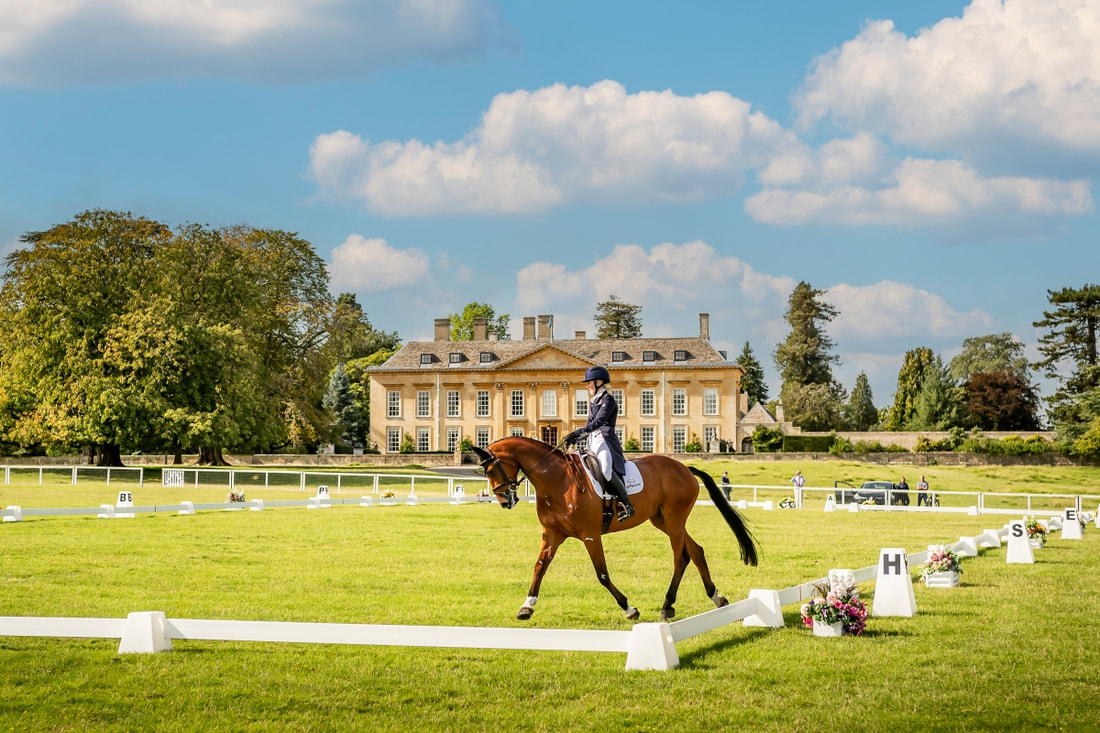 David Howden, Cornbury House Horse Trials Founder and President said: “There is so much planned for Cornbury House Horse Trials this year, which my wife, Fiona and I are very excited to announce. I’ve no secret of the fact that I am passionate about supporting the best British-based talent, and that we are utterly committed to helping the stars of our sport – present and future – to reach their goals. We are delighted to be once again hosting the prestigious British Eventing Young Horse Championships. “This year we are really hoping to put Cornbury House Horse Trial on the map with lots planned to attract more visitors. Alongside the superb competition a big focus will be on offering exceptional and local food and drink for everyone. “We are particularly excited about our ongoing partnership with The Bull in local Charlbury who will be delivering the food offering in our VIP hospitality marquee across the week. Last year the team from The Bull produced pure food theatre which also featured our own Cornbury Longhorn Beef. “I can promise our visitors that this year not only will they be immersed in the very best of British Eventing - all the British Olympic riders and many of the international riders will be there - but also a fabulous day out in a beautiful Cotswold setting.” Laura Collett, winner of the Leading Rider prize at Cornbury in 2023 and an Olympic team gold medal winner for Britain, said: “Cornbury has raised the bar each year as far as what is on offer for spectators, riders and owners! It’s a fantastic event that provides spectacular hospitality for owners and spectators alongside hosting a brilliant competition.” Cornbury House are proud to be partnering with Pol Roger who celebrate their 175th anniversary this year along with Pragnell, Volare Aviation and Fortnum & Mason to help execute this wonderful event. Tickets are on sale now via www.cornburyhousehorsetrials.co.uk 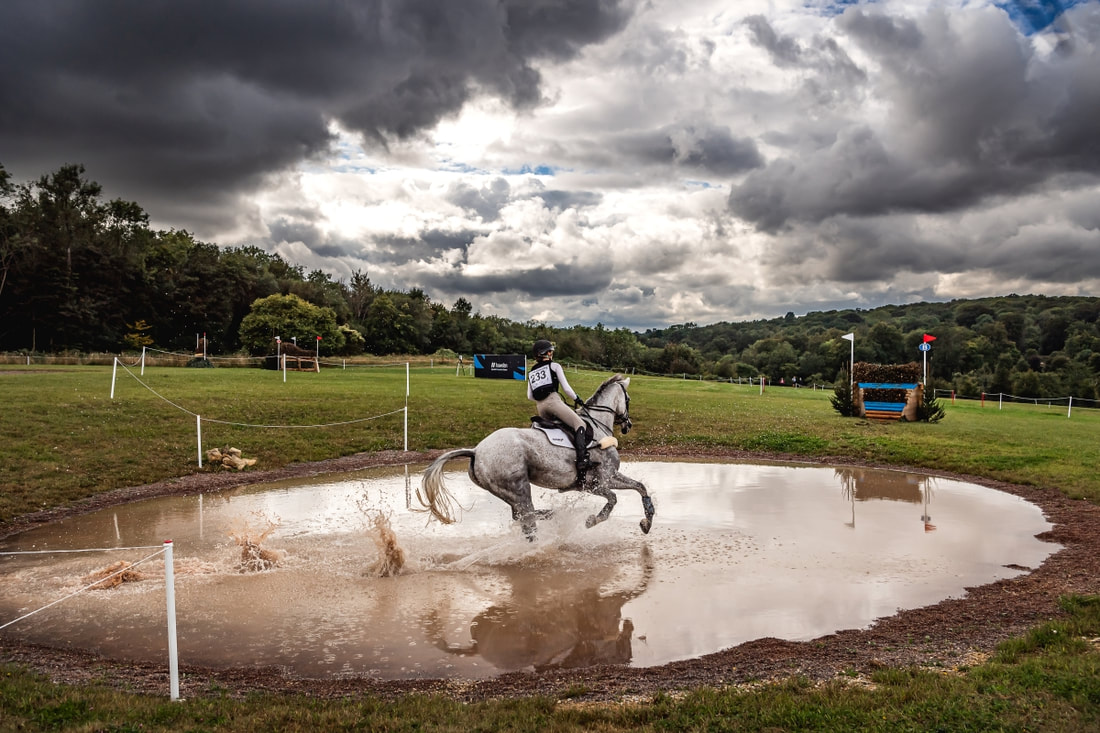 Following a sell-out run of STUPIDUS MAXIMUS' last season, the brilliant Fools Delight returns with SIDESHOW from 19th-28th April in Bampton. Created in 2022 by Lil Rice, Sam Goodburn and Head Chef Dave Cross, Fools Delight is the perfect mix of circus and dining. This year's show transports you the turn of the century and the eerie and weird world of Sideshow, with flower fairies and fairground folk, a mystic and a magician. With dirty Americana blues, as well as delicious seasonal food at their 3-course dinner shows. For all the info and tickets, visit www.foolsdelight.co.uk 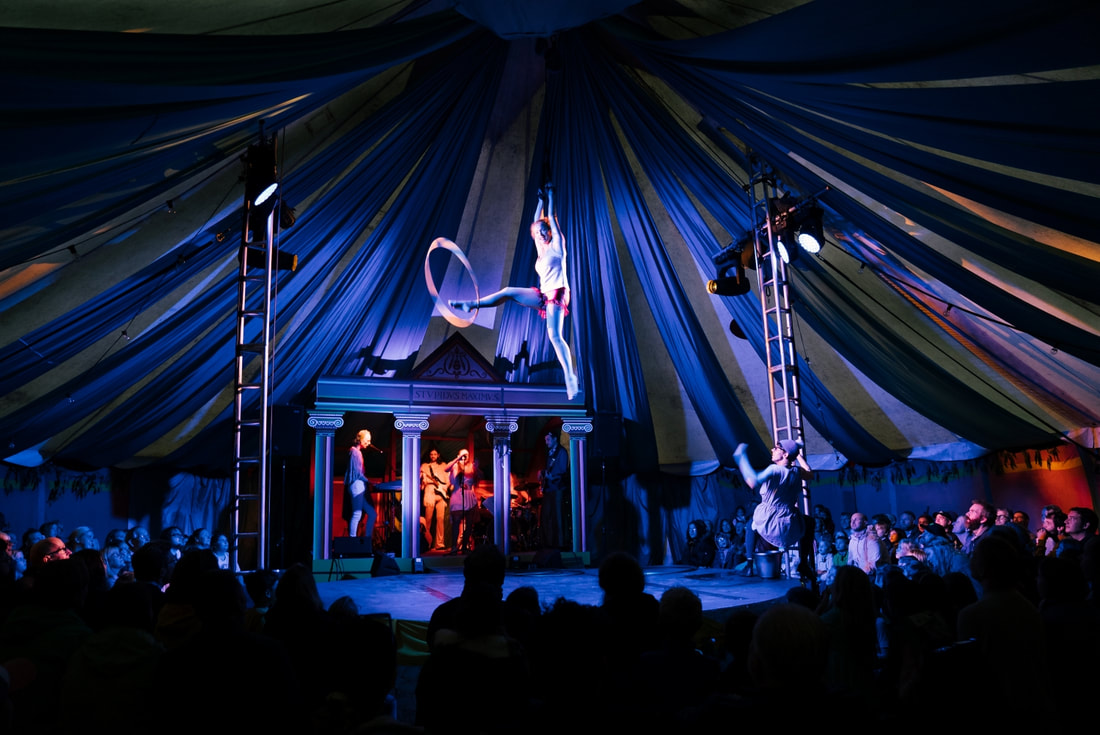
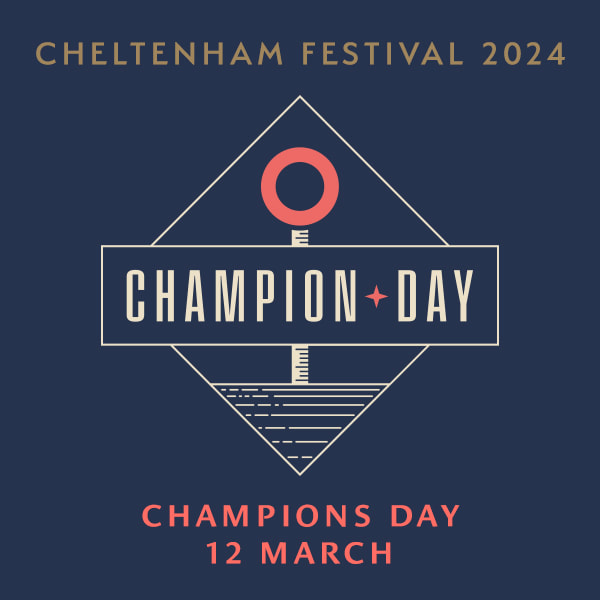
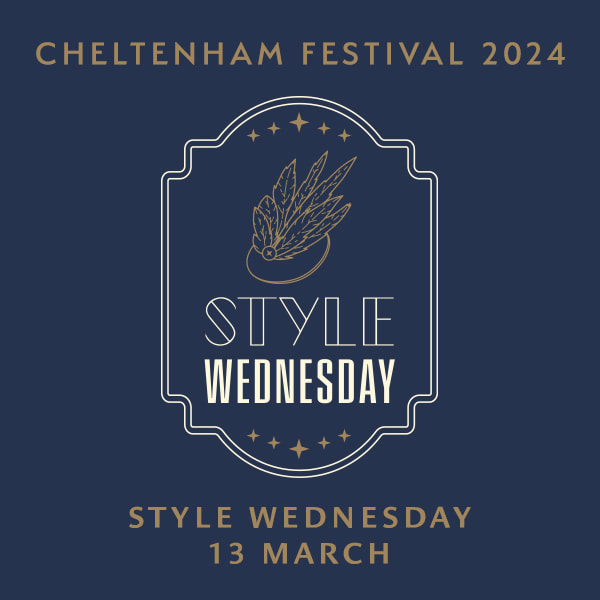
With most of us only just getting over the excitement of the Cheltenham Festival, racing returns to Prestbury Park for the two-day April Meeting on Wednesday 17th and Thursday 18th April. With the spring sunshine (hopefully) shining down on the hallowed Cheltenham turf, the meeting combines competitive racing, with entertainment and a relaxed atmosphere make it a fabulous April afternoon out. It’s the perfect race meeting to bring along a friend who has never experienced the buzz of a Cheltenham Raceday. Last year, the sun shone down upon the fantastic racing action which included the Grade 2 feature race being landed by Caribean Boy for Lambourn maestro Nicky Henderson and the double green ownership team of Simon Munir and Issac Souede, under their retained jockey Daryl Jacob. The trip across the Irish sea for Gordon Elliott’s charge The Friday Man proved successful when he won the Citipost Novices’ Hurdle, with jockey Sean Bowen in the plate. Thursday is unique with an all-mare race card and hosts the British EBF Mares’ Novices’ Limited Handicap Hurdle, Walk In Clover landed the spoils last year for multiple Cheltenham Festival winning trainer Dan Skelton. It proved a good two-day meeting for Nicky Henderson as Ahorsewithnoname came home in front in the Listed contest of the afternoon, with stable jockey Nico De Boinville doing the steering. Under Control completed a double on the day for Nicky Henderson and Nico De Boinville later on the card. Tickets start at just £15 and under 18’s race free and do not require a ticket to enter. BUY TICKETS 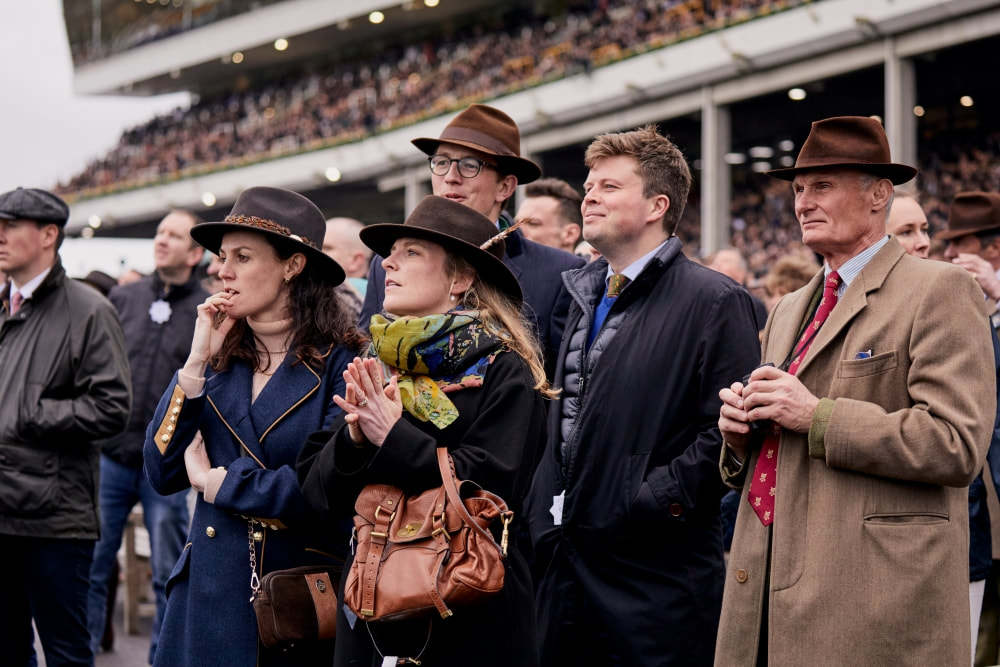 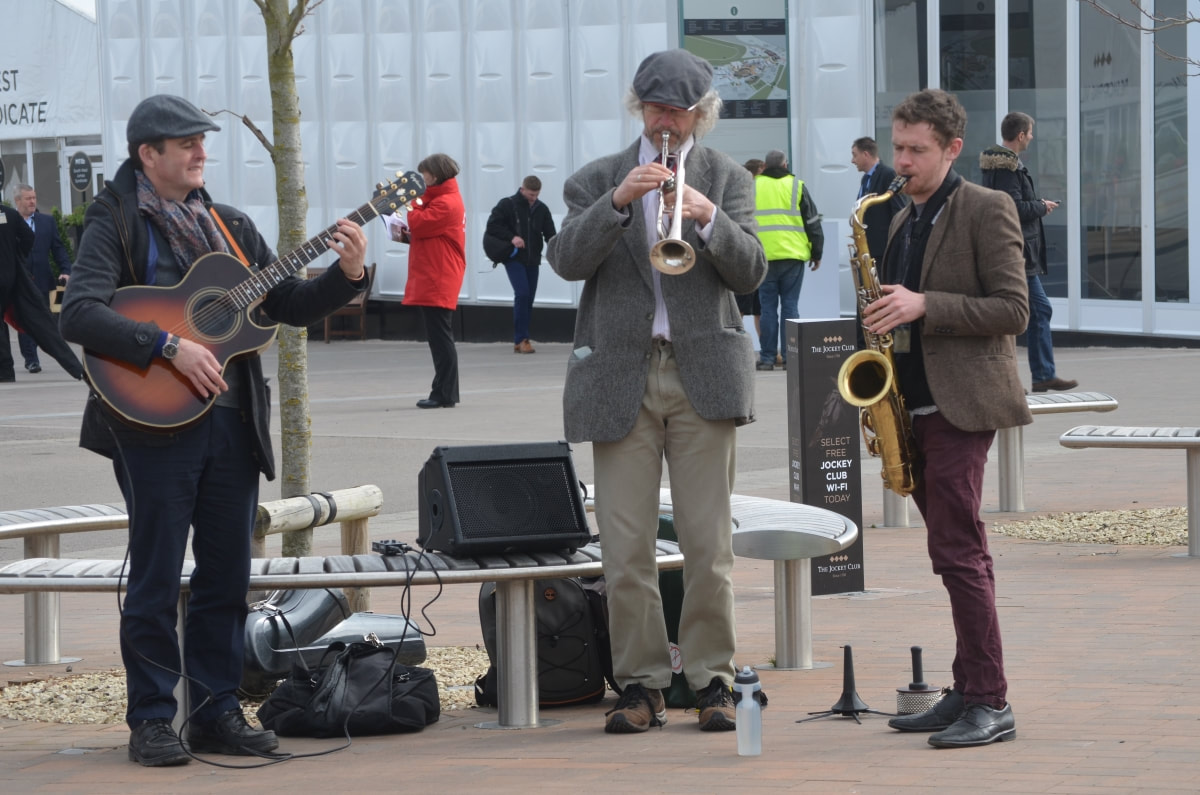 As well as some incredibly racing, there is lots of live music and entertainment to enjoy across the four days at the Cheltenham Festival. The Wickermen, Vogue Williams (DJ Set), Lampa and The Chip Shop Boys will be live in the Centaur after racing with lots of other live music dotted around the racecourse during each day. Full list of entertainment: CHAMPION DAY TUESDAY Guinness Village LAMPA: 11:00 – 18:30 The Feed Room & The Courtyard Hipcats: 10:30 – 17:20 Quevega's Stage Tommy Lewis: 11:30, 12:30, 13:40, 15:00, 16:20 & 17:45 Centaur Balcony Joe Wheldon: 10:00 – 13:15 Hall of Fame Entrance Brimstones: 10:00 – 13:15 The Orchard Andy Lemay: 10:30 - 17:20 The Plaza Fat Cat Brass Band: 10:30, 11:30 &12:30 Best Mate Pavilion The Wickermen: 11:30, 12:30, 13:40, 14:20 & 15:00 Parade Ring Escala: 12:55 The Centaur The Wickermen: 17:45 – 18:45 STYLE WEDNESDAY Guinness Village LAMPA: 11:00 – 18:30 The Feed Room & The Courtyard Hipcats: 10:30 – 17:20 Quevega's Stage Esther Turner: 11:30, 12:30, 13:40, 15:00, 16:20 & 17:45 Centaur Balcony Ryan Corbett: 10:00 – 13:15 Hall of Fame Entrance Brimstones: 10:00 – 13:15 The Orchard Andy Lemay: 10:30 - 17:20 The Plaza Fat Cat Brass Band: 10:30, 11:30 &12:30 Best Mate Pavilion Tommy & the Fuse: 11:30, 12:30, 13:40, 14:20 & 15:00 Parade Ring Laura Wright: 12:55 The Centaur Vogue Williams: 17:45 – 18:45 ST PARTRICK'S THURSDAY Guinness Village The Lucky 15's: 11:00 – 18:30 The Feed Room & The Courtyard Hipcats: 10:30 – 17:20 Quevega's Stage Esther Turner: 11:30, 12:30, 13:40, 15:00, 16:20 & 17:45 Centaur Balcony Joe Wheldon: 10:00 – 13:15 Hall of Fame Entrance Brimstones: 10:00 – 13:15 The Orchard Andy Lemay: 10:30 - 17:20 The Plaza Fat Cat Brass Band: 10:30, 11:30 &12:30 Celtic Feet, Irish Dancers: 11:00 & 12:00 Best Mate Pavilion Tommy & the Fuse: 11:30, 12:30, 13:40, 14:20 & 15:00 Parade Ring Celtic Feet, Irish Dancers: 12:55 The Centaur LAMPA: 17:40 – 18:30 GOLD CUP DAY FRIDAY Guinness Village The Lucky 15's: 11:00 – 18:30 The Feed Room & The Courtyard Hipcats: 10:30 – 17:20 Quevega's Stage Tommy Lewis: 11:30, 12:30, 13:40, 15:00, 16:20 & 17:45 Centaur Balcony Ryan Corbett: 10:00 – 13:15 Hall of Fame Entrance Brimstones: 10:00 – 13:15 The Orchard Andy Lemay: 10:30 - 17:20 The Plaza Fat Cat Brass Band: 10:30, 11:30 &12:30 Best Mate Pavilion Chip Shop Boys: 11:30, 12:30, 13:40, 14:20 & 15:00 Parade Ring Symphonic Ibiza: 12:30 The Centaur Chip Shop Boys: 17:40 – 18:30 Visit HERE or a full list of entertainment. BUY CHELTENHAM FESTIVAL TICKETS
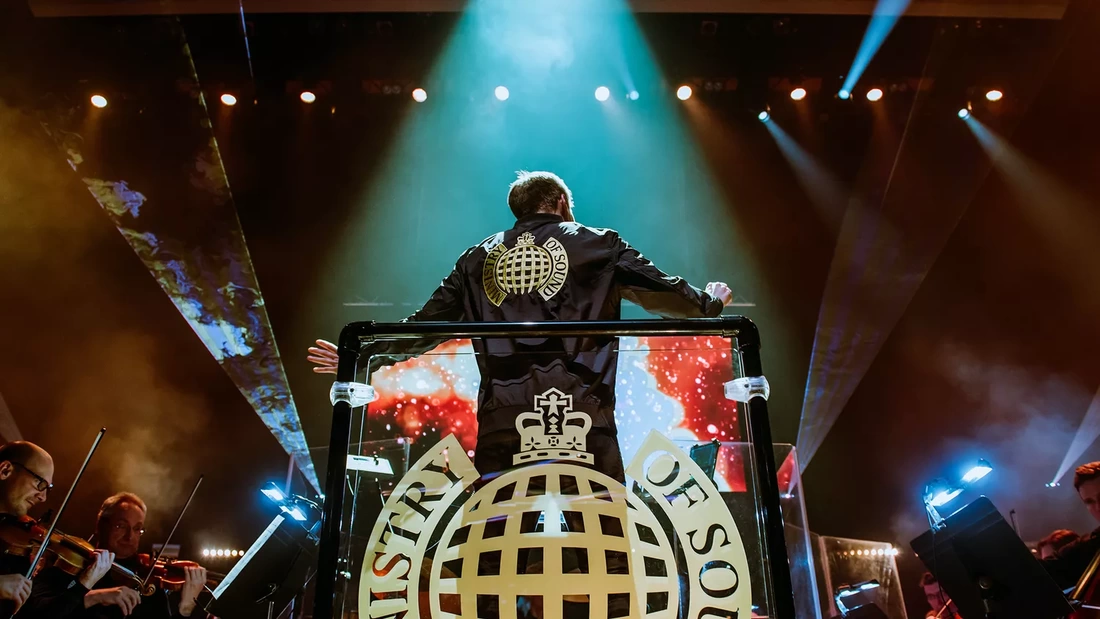
The Big Feastival have added more music and a host of chefs to their line-up for 2024. Smith's guitarist Johnny Marr, Jax Jones, 86TVs, Ministry of Sound Classical and Circa Waves will all appear on the main stage, while Raymond Blanc, Jack Stein, Andi & Miquita Oliver and Cherish Finden will be cooking in The Big Kitchen. On top of that, there will also be, as always, lots of incredible street food, heaps for families and comedy, including James and Clair Buckley recording a special live episode of their podcast. Snow Patrol, Becky Hill, Scouting For Girls, Natasha Bedingfield and Kate Nash will all be playing over the Bank Holiday weekend. The festival will take place on Alex James' Farm just outside Kingham from 23rd - 25th August. Full the full line-ups and tickets, visit thebigfeastival.com 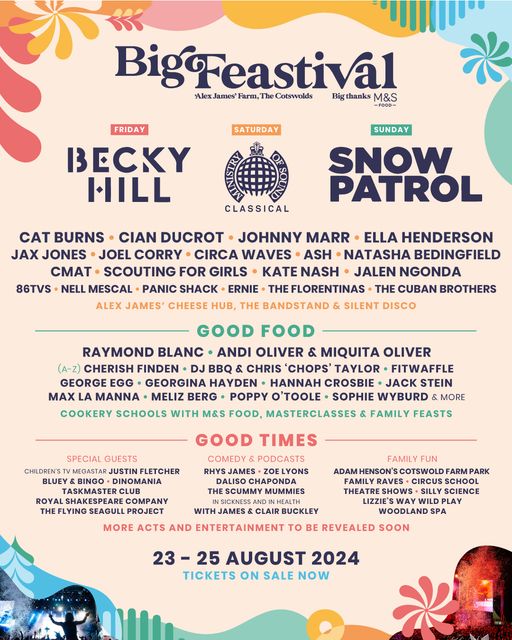  Cheltenham Jazz Festival will return this spring featuring some of the biggest names from the worlds of jazz, soul, blues, pop and beyond. One of Europe’s biggest jazz festivals with over 55,000 music fans in attendance across the week, 2024’s event will take place from Wednesday May 1 to Monday May 6 incorporating a carefully curated mix of international jazz icons, up-and-coming new artists, unique one-off performances, world premieres, masterclasses, family-friendly shows, industry talks, free events and lots more. With a cross-generational theme that brings together jazz legends with the very latest new artists, the Festival will play host to a string of world-class artists including the legendary 100 million-selling US vocalist Dionne Warwick; Grammy-winning singer Gregory Porter – who will perform twice at the Festival, in a very special solo show and a collaboration with Blues House of Fame inductee Bettye LaVette and the Ronnie Scott’s Jazz Orchestra; English dance-pop star Sophie Ellis-Bextor, whose 2001 hit song Murder On The Dancefloor recently made a return to the Top 10 following its inclusion in cult film Saltburn; multi-platinum-selling reggae royalty UB40, who’ll perform a career spanning set; powerhouse South African vocal group Ladysmith Black Mambazo; the distinctive, soulful singer-songwriter Jack Savoretti; electronica/trip hop pioneers Morcheeba; Fun Lovin' Criminals frontman and BBC 6 Music presenter Huey Morgan; and acid jazz and funk group the Brand New Heavies who’ll be joined onstage by players from the London Concert Orchestra. In a major tribute to British blues, a luminary of the scene, Robert Plant, will also perform a set with Saving Grace feat. Suzi Dian that mixes his latest music with old favourites. The Festival will once again host the most exciting and revered artists from across the contemporary jazz scene including New York collective Snarky Puppy, US piano giant Brad Mehldau, one of the most celebrated British jazz musicians of all time Courtney Pine - who’ll be marking his 60th birthday with a special edition of his Caribbean themed, dance-inducing House of Legends project - Grammy-nominated American trumpeter Theo Croker, genre-defying Scottish multi-instrumentalist and producer corto.alto, the hotly tipped saxophonist and bandleader Lakecia Benjamin, New Zealand-Australian singer-songwriter Jordan Rakei, and a double bill featuring 10-piece afro-jazz outfit Nubiyan Twist and West Africa’s iconic dance band Orchestra Baobab. Dedicated to making a positive contribution to the ongoing music festival gender divide, Cheltenham Jazz Festival is signed up to the Keychange programme and aims for an equal gender balance across the breadth of its line-up. This year’s programme is notable for its a huge array of boundary-pushing female vocalists including Malian singer and guitarist Fatoumata Diawara, MOBO award-winning Zara McFarlane, the bold Newcastle-born singer songwriter Nadine Shah, much-loved UK singer and broadcaster Clare Teal, multi-Grammy Award-winning Dee Dee Bridgewater, distinguished singer and actress Elaine Delmar, rising jazz/soul star CHERISE, Brit jazz mainstay Liane Carroll, one of America’s finest vocal talents Bettye Lavette, the multi-talented Allysha Joy, and one of the all-time great jazz singers Norma Winstone. The Festival’s commitment to talent development is at the centre of the programme, with this year’s annual Showcase event featuring rising stars Amahla and Ruta Di. 2024 will also see the return of the Parabola Arts Centre programme, which is dedicated to new, innovative music from around the world. Gracing the stage this year will be British saxophonist Trish Clowes performing alongside US trumpeter Dave Douglas, rising Brit jazz pianist Sultan Stevenson, the National Youth Jazz Orchestra and Nikki Yeoh together present “Speechmik Ex-Ploration”, free jazz virtuoso Charlotte Keeffe, and Mercury Music Prize nominee Kit Downes who will perform a special set with Norma Winstone. The Festival also features a significant “… around Town” element that sees unsigned and local talent play in venues across Cheltenham, including The Wilson, John Gordons and grassroots venues the Frog and Fiddle and the Bottle of Sauce. Part of the Festival’s wider commitment to talent development and local arts scenes, performers will include Plymouth’s Joanna Cooke, Gloucestershire natives GS Collective, and sets from acts from the UK’s pioneering jazz music education and artist development organisations, Tomorrow’s Warriors Youth Ensemble and Jazz North’s Ni Maxine. Some shows are already on sale. Tickets for the newly announced acts go on general sale on Wednesday March 6. All tickets available from cheltenhamfestivals.com/jazz. 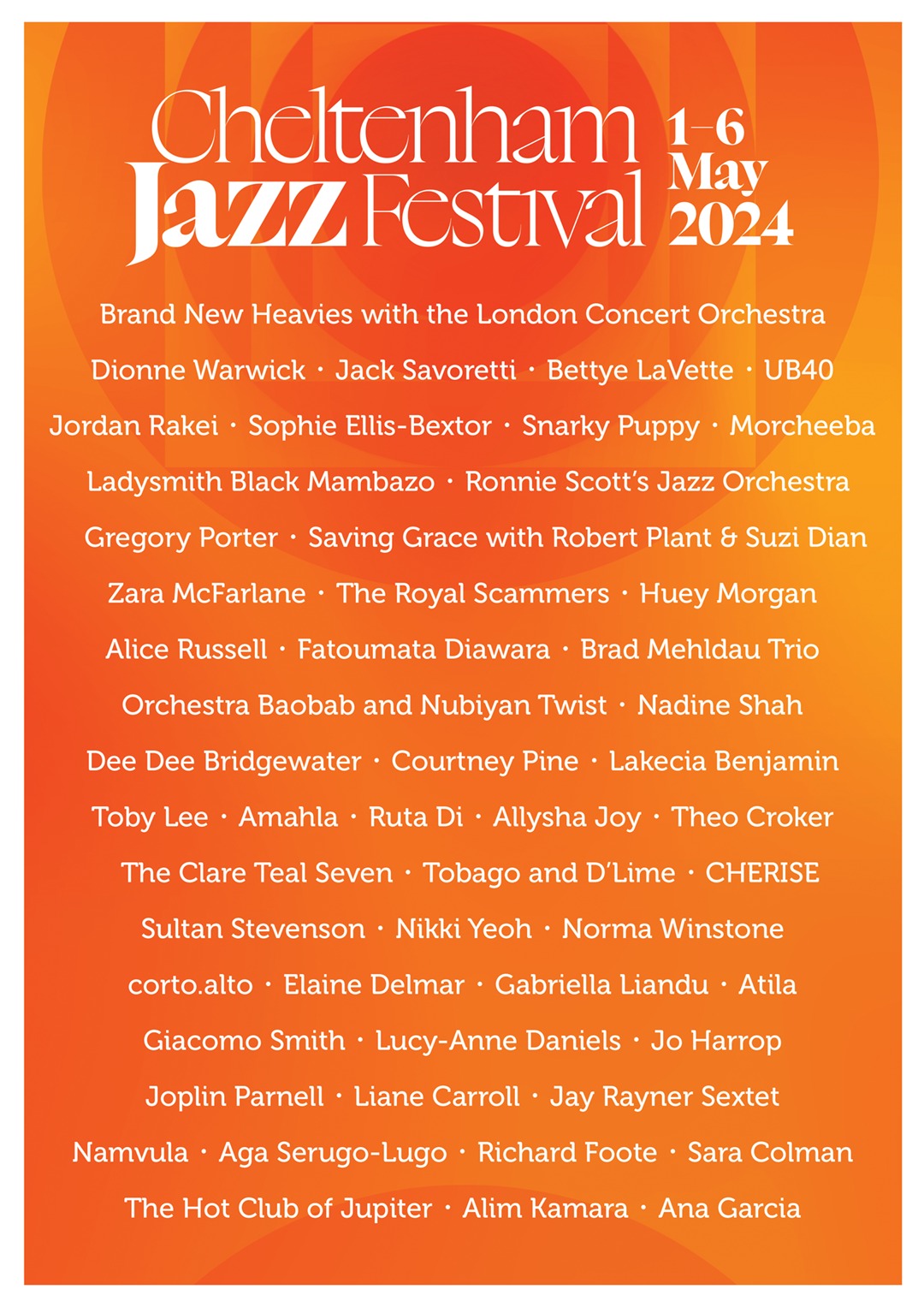 Season 3 of Clarkson's Farm will land on Amazon Prime Video on May 3rd 2024. The hugely popular series follows Jeremy Clarkson, Kaleb Cooper and all of the Diddly Squat regulars as they tackle all the ups and downs of farming in the Cotswolds. After facing various challenges in the previous two seasons, they will now turn their attention to buying some pigs for the farm. 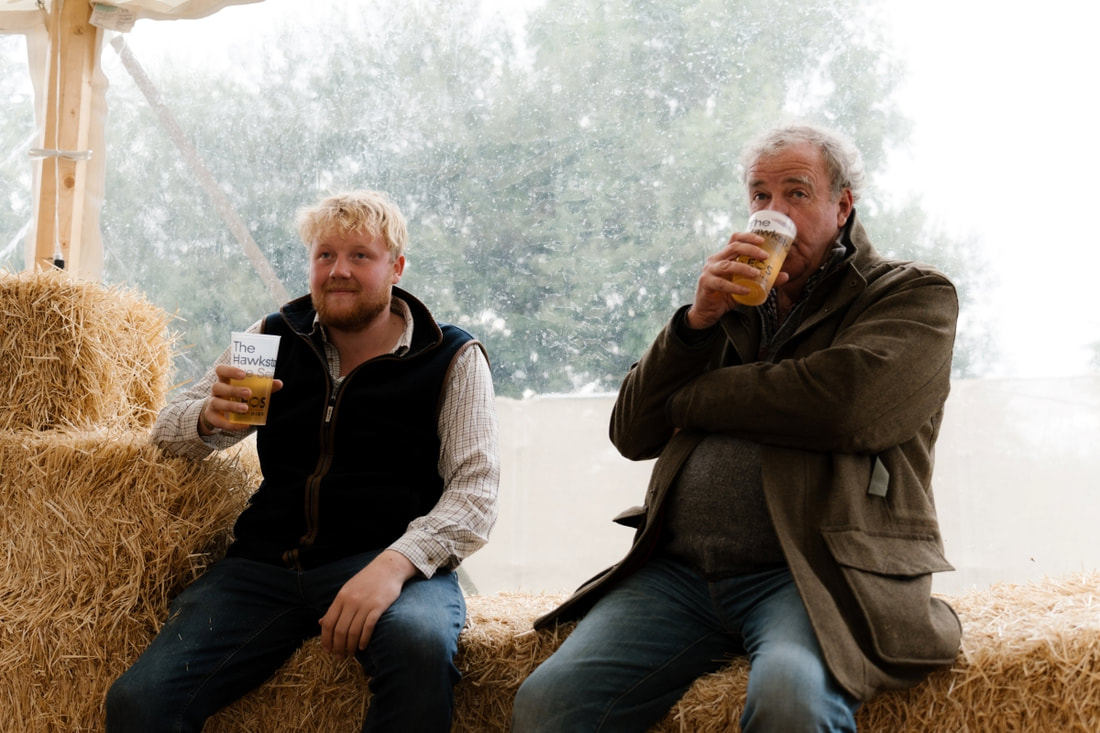 Calcot & Spa, the flagship property of The Calcot Collection. Nestled amidst 220 acres of picturesque countryside near Tetbury, has officially opened its doors to The Grain Store fitness studio, as an addition to their luxury Cotswold playground. The new development, aptly named (built within an old agriculture building used to store grain within the hotel’s grounds), is a gym & fitness sanctuary offering guests and members a chance to indulge in ultimate wellbeing and self care. Connecting the mind, body and soul in one place to workout, rest and play. Members and hotel guests can immerse in the 280m2 wellness and fitness sanctuary, use the state-of-the-art gym with Technogym equipment, join classes in the spin shed, holistic space and exercise studio hosting an extensive timetable of fitness classes. The Grain Store also proudly offers café to work, relax and refuel in, The Huddle, all while being surrounded in 220 acres of rewilded Cotswold countryside, that promotes serenity and wellbeing. 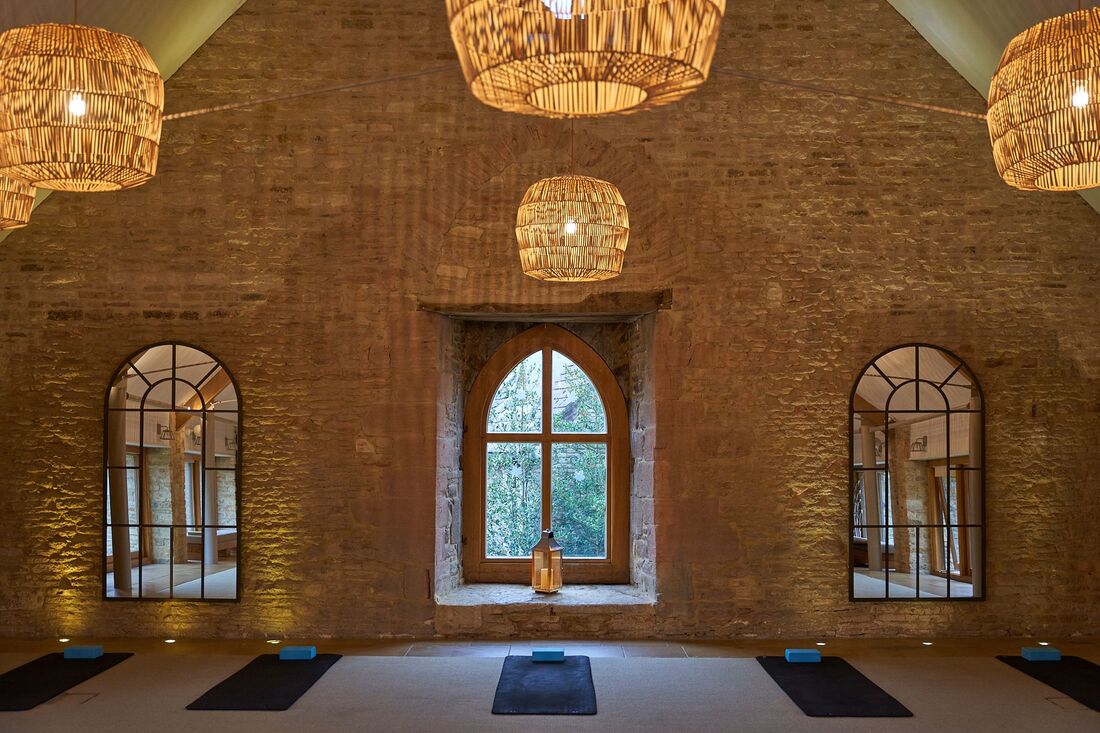 The new space will allow members and hotel guests to immerse in a space that's dedicated exclusively and designed meticulously to optimize wellbeing goals. Offering picturesque countryside views, paired with state-of-the-art Technogym equipment tailored to your every fitness ambition. Grain Store Members will have access to: GYM Functional | Exigo Rig, Ski Erg, Sled Track, Team Beats from Technogym, a new way to train on the gym floor, using heart rate guidance for a fun and varied group workout. Cardio | Interactive Upright Bikes, Live Excite Varios, Climb, Treadmills & Cross Trainers, Skill Run, Concept Rowers Free Weights | Dumbbells up to 34kg, Full & Half Olympic Squat Racks Resistance | Leg Press, Leg Curl, Leg Extension, Chest Press, Shoulder Press, Dual Adjustable Pulley Stretch | Post Work Out Stretch Space, Proverb Assisted Stretch Pod Outdoors | 6-Piece Kompan Outdoor Gym THE UK’S FIRST STRETCH POD BY PROVERB SKIN The Grain Store personal trainers will perform all assisted stretching in The Pod, and these Proverb Skin treatments are designed to help improve manoeuvrability, flexibility and ultimately, give a deeper result from work outs. FITNESS CLASSES The new extensive timetable of curated classes offer members wellness and fitness sessions including holistic Sound Healing, Yoga, Pilates, Barre and Ballet. Those who want to up the tempo can enjoy performance Spin in the Spin Shed and HIT, all guided by Calcot’s most exceptional instructors within spacious and air-conditioned studios. All classes are specifically designed to enhance members fitness journey with not only enjoyment but also vitality and fulfilment. PERSONAL TRAINING The Grain Store boasts a dedicated team of Personal Trainers who will be on hand to help Club Calcot members with their wellbeing and fitness journey. THE HUDDLE CAFÉ Relax, pre or post work out in the inviting café and terrace. Members and hotel guests can refuel with nourishing refreshments as you unwind and should inspiration strike, we welcome you to work freely in the café or book a private meeting within The Huddle. Partners include Dirtea, Trip Drinks, Willie’s Apple Cider and Pulsin grains, and are all available for to purchase onsite. FREE RANGE FITNESS As a bonus to all Grain Store members and hotel guests, Calcot & Spa’s stunning grounds offer an array of enjoyable ways to engage in active relaxation. Whether it's lounging beside the inviting heated outdoor pool, trying your hand at activities like disc golf or tennis, borrowing the Calcot bikes, or simply embarking on a leisurely walk along the nature trail, the natural space has plenty of options to allow members to immerse in the great outdoors. calcot.co/grain-store 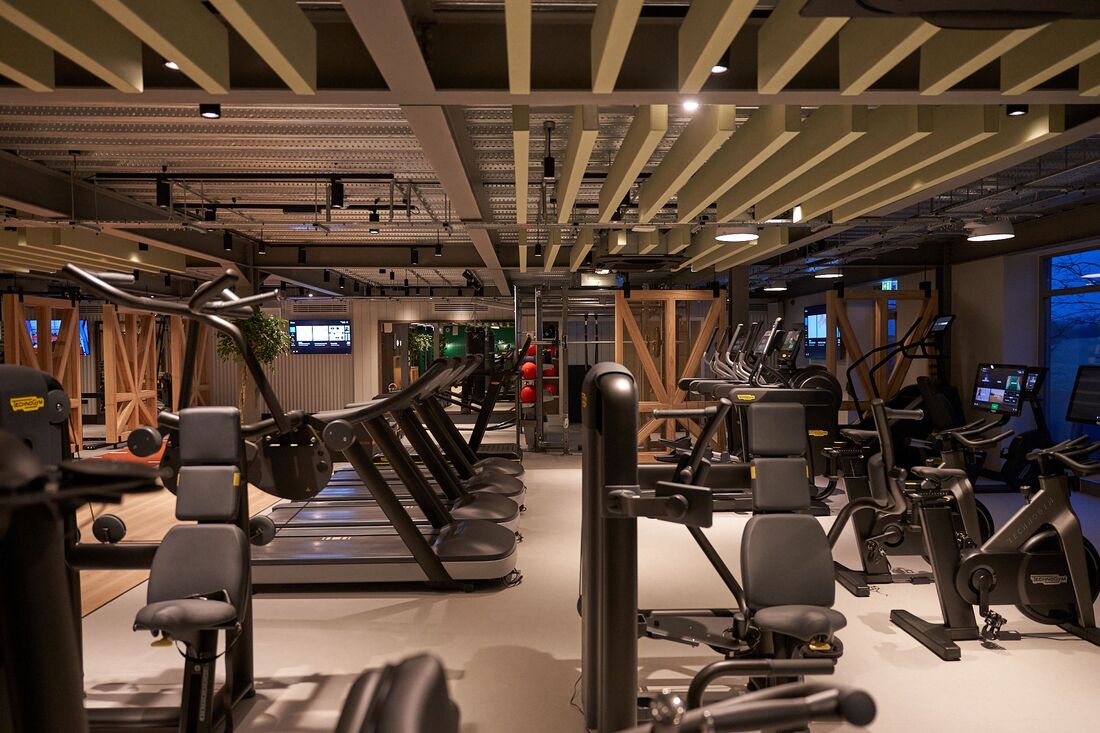 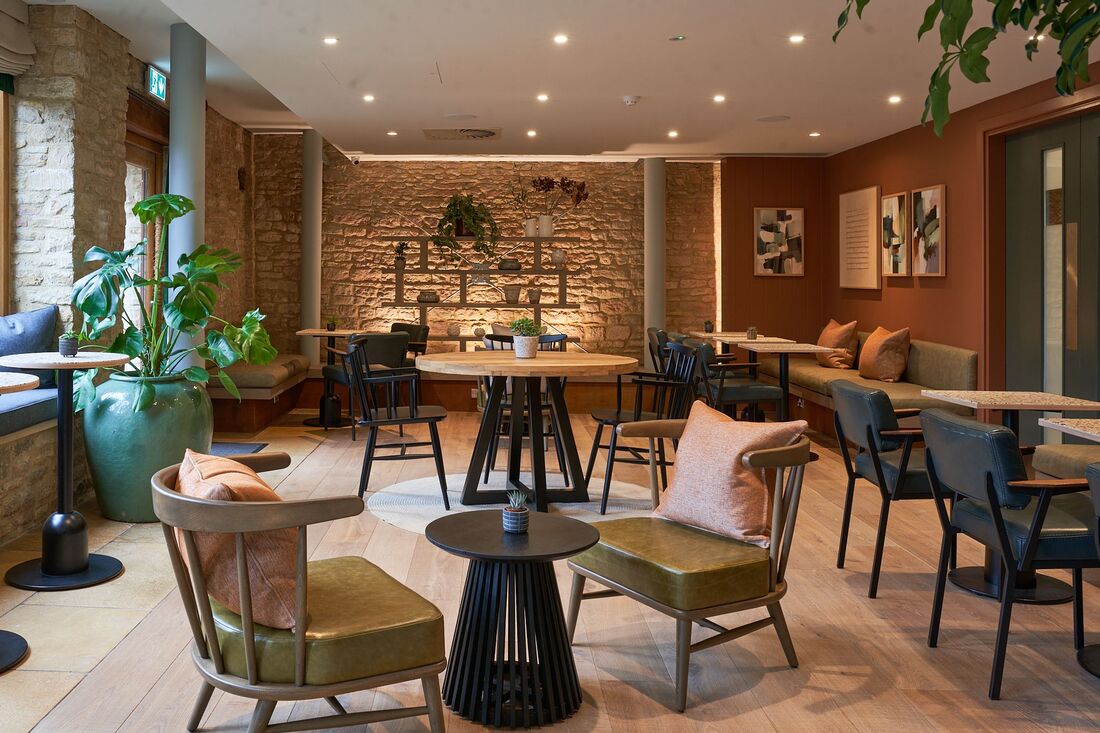 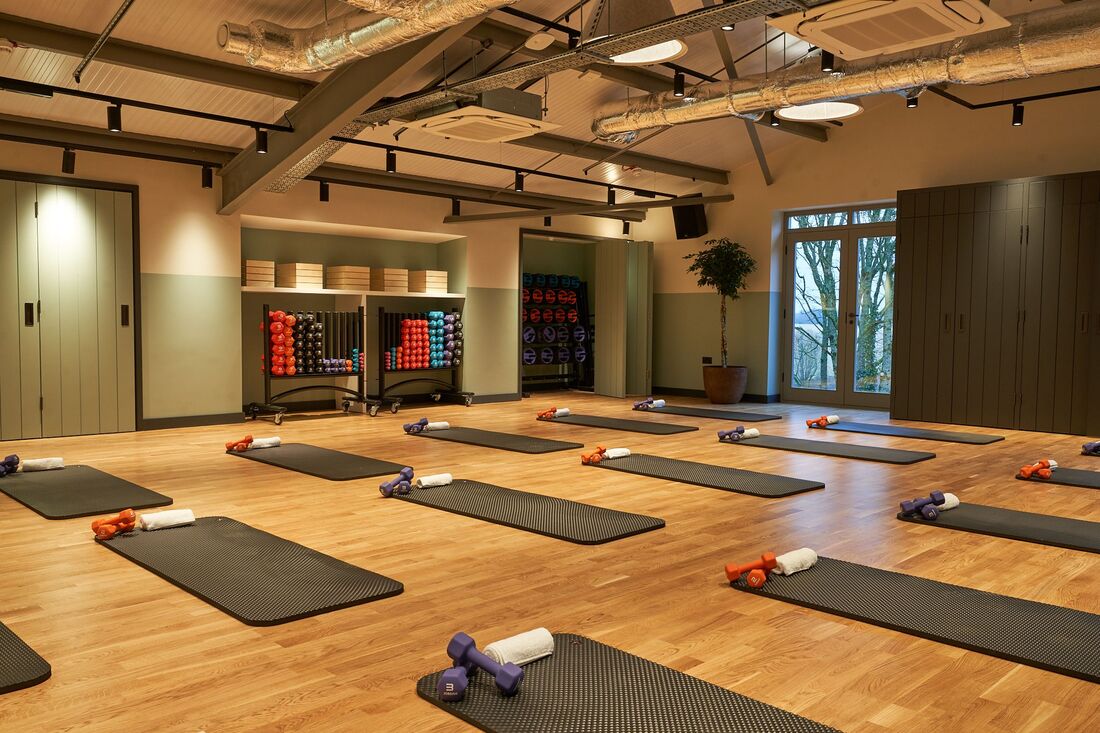 Big Feastival has revealed the first names in the line-up for 2024 which will take place on 23-25 August on Alex James' Farm in Kingham. Snow Patrol will bring the festival to an anthemic close on Sunday night, with Becky Hill headlining on Friday night. Triple Brit Award nominee and singer songwriter Cat Burns whose single Go went viral on TikTok and climbed to number two on the UK singles chart joins the line-up. Irish singer songwriter Cian Ducrot will also grace the main stage. Coming to prominence in 2022 his single All For You was a huge TikTok sensation and his debut album Victory topped the UK Album Charts in 2023. Vocal powerhouse Ella Henderson is set to have the Feastival crowd singing along to hits including Ghost, Let’s Go Home Together and React whilst dance superstar Joel Corry whose huge tracks include Sorry, Lonely, Head & Heart, Bed and Out Out will also play. Natasha Bedingfield is sure to create a mass singalong with Unwritten and These Words whilst singer songwriter Kate Nash will thrill the crowd with Foundations amongst other iconic hits. Irish singer songwriter CMAT, modern soul and R&B performer Jalen Ngonda and Irish rockers Ash are confirmed to play alongside Indie heroes Scouting For Girls and upcoming Irish four piece The Florentinas. Big Feastival will be announcing more music acts soon, including Saturday’s headliner. thebigfeastival.com 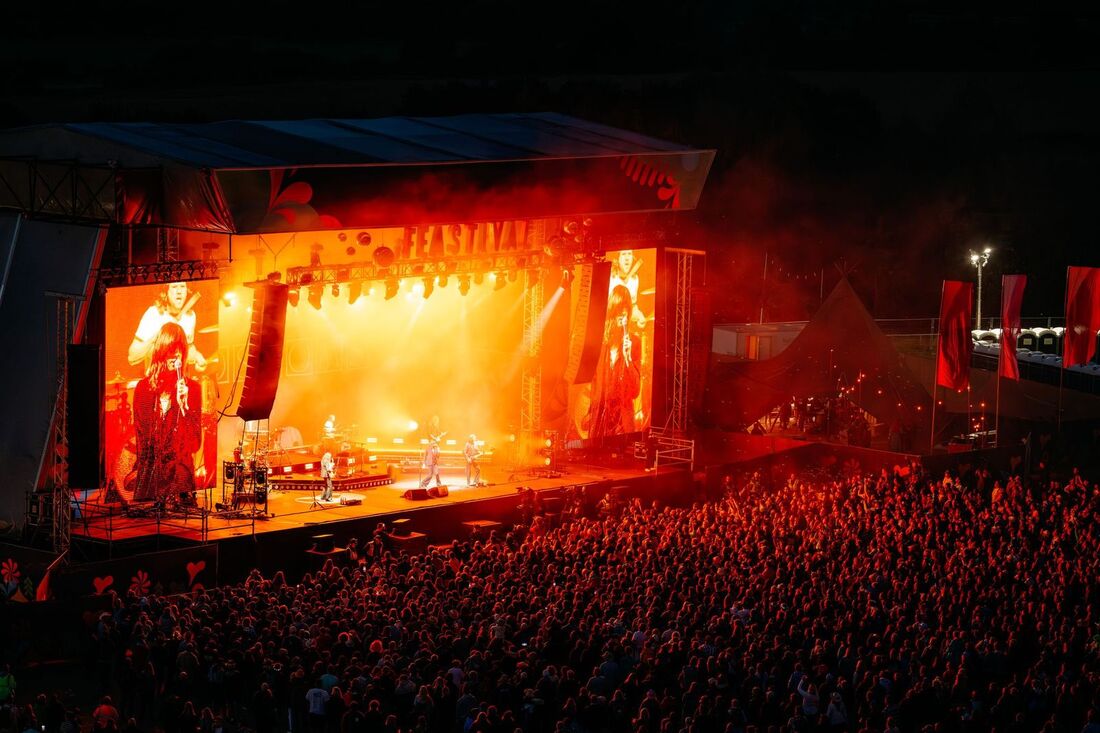 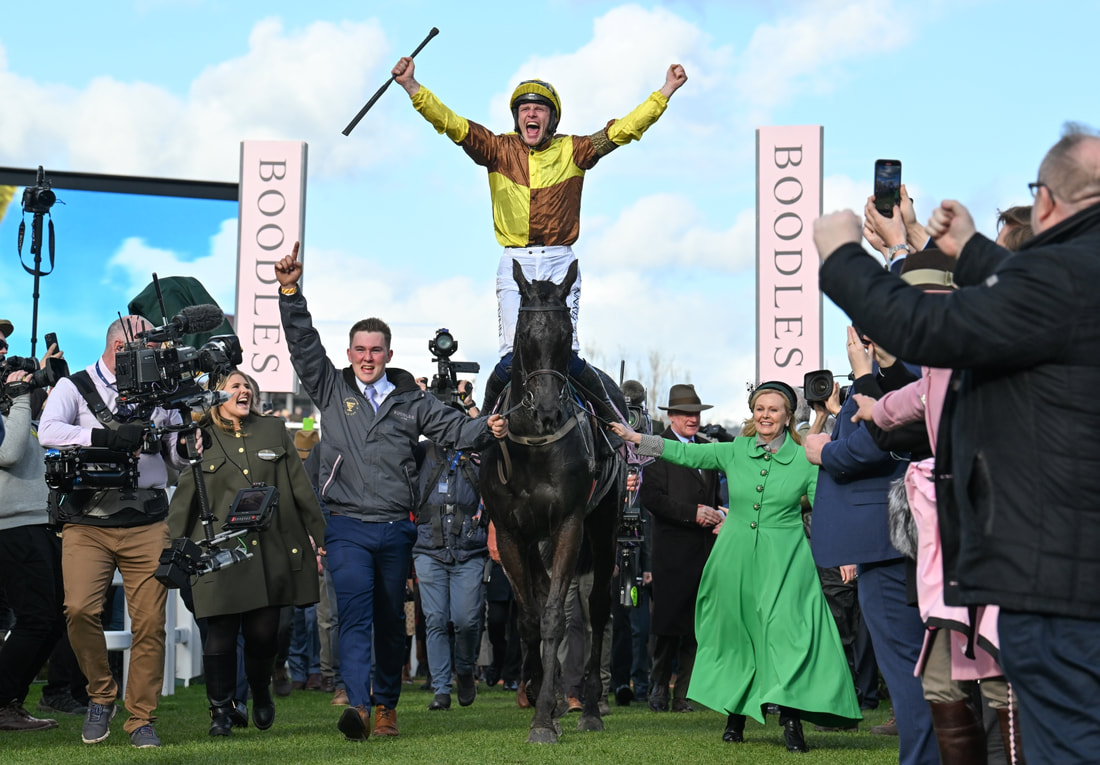 The Cheltenham Festival is the pinnacle event of the jump-racing calendar, and this year will be bigger than ever as we celebrate 100 years of the Cheltenham Gold Cup. In March 2023, Galopin Des Champs and Paul Townend became legends and wrote themselves into the history books with a scintillating performance in the Gold Cup. Can they do the same again? As like most festivals in recent year, many of the favourites will be coming over from Ireland. Constitution Hill will be flying the flag for Britain as he looks to retain his Champion Hurdle crown. DAY-BY- DAY GUIDE CHAMPION DAY: TUESDAY 12TH MARCH the Grade 1 Skybet Supreme raises the curtain to the Cheltenham Festival with the famous "Cheltenham Roar". Last year we saw Marine National land the spoils for trainer Barry Connell, who enjoyed his first Cheltenham Festival winner as a trainer, having had previous success as an owner. It was also jockey Michael O’Sullivan’s first Cheltenham Festival winner. History was made in the Unibet Champion Hurdle as Jump Racing’s hero Constitution Hill came home in emphatic style under Nico de Boinville for Nicky Henderson and owner Michael Buckley. Constitution Hill’s performance was breath-taking, he jumped with speed, precision and accuracy and awarded Nicky Henderson his 9th Champion Hurdle winner spanning from 1985 to 2023. The legendary Honeysuckle provided for some the most memorable moment of the 2023 Cheltenham Festival, when she recorded her fourth Festival win on her final visit to Presbury Park. Her triumph provided emotion, elation and pride for horse racing fans across the land. She captured our hearts and to see her finish her prolific career with a Cheltenham Festival win, was exceptionally special. STYLE WEDNESDAY: WEDNESDAY 13TH MARCH Irish raider Energumene has won the last two renewals of the Queen Mother Champion chase and he has earned his place next to greats like Altior and Sprinter Sacre. Can he make it three in a row at the 2024 Cheltenham Festival? The Real Whacker made a dream come true for trainer Patrick Neville, when landing the Grade 1 Brown Advisory Novices’ chase by a short head against the Irish powerhouse Gordon Elliott’s Gerri Colombe. The Real Whacker provided trainer Patrick Neville, previously an electrical engineer, with his biggest victory to date, will he be able to achieve an even bigger prize this season and when he goes for gold in The Boodles Cheltenham Gold Cup? The day concludes with the Weatherbys Champion Bumper, where stars of the future are often making their first visit to the Cotswolds. We saw A Dream To Share come home in front last year, providing 82 year-old trainer John Kiely and young jockey John Gleeson with their first Cheltenham Festival winner. The JP McManus owned a Dream To Share gave the Gleeson family memories to last a lifetime, Claire Gleeson, wife of ITV Racing’s Brian bred both horse and jockey! There looks to be bigger days to come and surely, he will be visiting Presbury Park in the not-too-distant future. Style Wednesday is a celebration of thrilling and exhilarating sporting action, make sure you’re there to celebrate in style as racing’s glitterati put on a show like no other. ST PATRICK'S THURSDAY: THURSDAY 14TH MARCH Envoi Allen gave Henry de Bromhead his second victory of the 2023 Cheltenham Festival in the Grade 1 Ryanair Chase. No one thought anything could come close to Honeysuckle’s win earlier in the week for the de Bromhead family, but seeing Envoi Allen back in the sacred Cheltenham Winners’ Enclosure provided another emotional and exceptional moment at the Cheltenham Festival for racing fans. The Grade 1 Paddy Power Stayers Hurdle went to the ever tough and ever consistent Sire Du Berlais for the Cheltenham Festival’s most successful of owner all time JP McManus. Trained by Gordon Elliott and ridden by Mark Walsh, Sire Du Berlais, who comes to life in the Spring, put up a gutsy performance to win by 3/4 ‘s of a length to the Jeremy Scott trained Dashel Drasher. Make sure you are there to see if the Irish dominate will dominate the feature races again on St Patrick’s Thursday? GOLD CUP DAY: FRIDAY 15TH MARCH Featuring The Boodles Cheltenham Gold Cup, the blue riband race. The pre-race tension, the exhilaration of the race and jubilations of the aftermath. You will never see or experience anything quite like it, as whatever the result, every year it is different. Stay Away Fay gave British Champion trainer Paul Nicholls his second winner of the 2023 Cheltenham Festival, with Harry Cobden doing the steering in the Grade 1 Albert Bartlett on the final day of the Festival. Galopin Des Champs was a spectacular winner of Jump Racing’s blue ribband race for the winning most Cheltenham Festival trainer Willie Mullins. The Cheltenham Gold Cup eluded Willie Mullins for many years, but since Al Boum Photo won his first Cheltenham Gold Cup in 2019, and he has now won three of the last five renewals of the race, with fellow Irish trainer Henry De Bromhead winning the other two. Can the exuberant and exceptional Galopin Des Champs repeat the feat of former stable mate Al Boum Photo and win back-to-back Boodles Cheltenham Gold Cups in the Gold Cup centenary year or will someone else take the most prestigious crown in Jump Racing? Don’t miss out on the Cheltenham Festival, records will be broken, history will be made and dreams will come true and you could be part of it. HOSPITALITY AT THE CHELTENHAM FESTIVAL Award-winning restaurants and intimate private boxes are the most exclusive way to enjoy your time at The Cheltenham Festival. Located the most stunning settings, from the heart of Cheltenham Racecourse to overlooking the winning line, an unforgettable experience awaits. Working with the best local suppliers, Cheltenham's team of chefs are passionate about bringing their breadth of skills and culinary knowledge to our extensive and carefully crafted menus.  THE PIG have announced that they have acquired the 17th century Barnsley House hotel, tucked away in the quintessential Cotswolds village of Barnsley, just four miles from Cirencester. Nestled in historic arts and crafts style gardens, created by renowned garden designer Rosemary Verey, this little gem of a property has all the makings of a PIG already weaved into its DNA. Chairman Robin Hutson commented on the exciting announcement, “We are absolutely thrilled to have acquired Barnsley House, it has been in my peripheral vision for many years as a possible acquisition, always thinking it would make a perfect ‘Pig’ and we are very excited to have our first pub too”. Barnsley House will continue to operate with its existing team until Sunday 4th February, when the PIG team will go in to start the works to turn this stunner of a property into a PIG, with a view to opening the doors this summer as THE PIG-and The Village Pub, their first "Pig Pub". THE PIG group is a personal collection of small lifestyle restaurants with rooms where the focus is on authenticity and informality of design, food and service. With an obsessive commitment to home grown and local produce, THE PIG celebrates the seasons and uses only the best, freshest and most authentic foods and ingredients. It is all about the kitchen gardens, they are the beating heart of the operation. Everything is driven by the kitchen gardener/forager and chef. They grow and source the food and the chef then creates the menu; uncomplicated and simple kitchen garden food, true to the micro seasons with the emphasis squarely on fresh, clean flavours. What cannot be grown in THE PIG’s kitchen garden is sourced within a 25-mile radius of each hotel. There are no ‘cookiecutter roll-outs’; each hotel has its own personality and sense of self. Every property comes with laid-back warm service and a genuine commitment to environmental and social responsibility. THE PIG hotels aim to deliver an outstanding experience for every guest; a ‘wow’ moment that surprises and delights for a price that won’t break the bank. Home grown in every way – breaking the mould of designed hotels by working with what it has and recognising what is good about that. Designed in the style that has become THE PIG’s signature, each hotel has a garden restaurant and bedrooms with a touch of luxury and bags of homely charm plus Potting Shed or Shepherd’s Hut massage treatment rooms in or near the kitchen gardens. www.thepighotel.com/and-the-village-pub 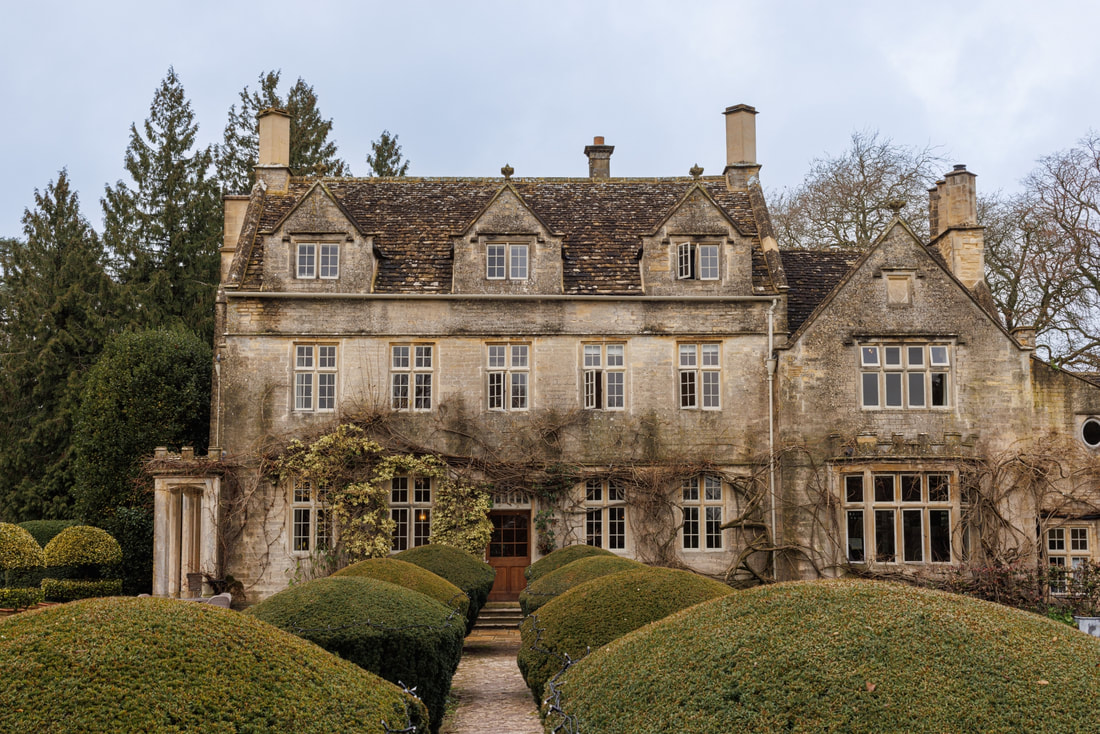 Excitement, anticipation and expectation is building towards the Cheltenham Festival, and Festival Trials Day on Saturday 27th January is the last chance to see racing at the Home of Jump Racing before the magical four days in March. With a seven-race card, where every race is a trial for a race at the Cheltenham Festival, it doesn’t get much more exciting, unless it is the Festival itself. The fun isn’t restricted purely to the track, with fantastic entertainment during the day and The Wickermen performing live music after racing, it is a seamless prelude to the Cheltenham Festival. Last year’s renewal included the highly anticipated match between 2022 Betway Queen Mother Champion Chase winner Energumene and the 2022 Sporting Life Arkle winner Edwardstone didn’t disappoint, however it was the Gary Moore trained Editeur Du Gite that returned first past the post. But when he returned in March, Energumene reversed the form when winning back-to-back Queen Mother Champion Chases. The Dahlbury Grade 2 Cleeve Hurdle, the highly recognised trial for the Grade 1 Paddy Power Stayers’ Hurdle, a race the Emma Lavelle trained Paisley Park has made his own in recent years. However, last year’s race was won by French raider Gold Tweet. Ahoy Senior was a hugely popular winner of the Grade 2 Paddy Power Cotswold Chase for dual Grand National winning trainer Lucinda Russell. Come along this year, to mark your card ahead of the Cheltenham Festival. Tickets start at just £25 and under 18’s race free and do not require a ticket to enter. 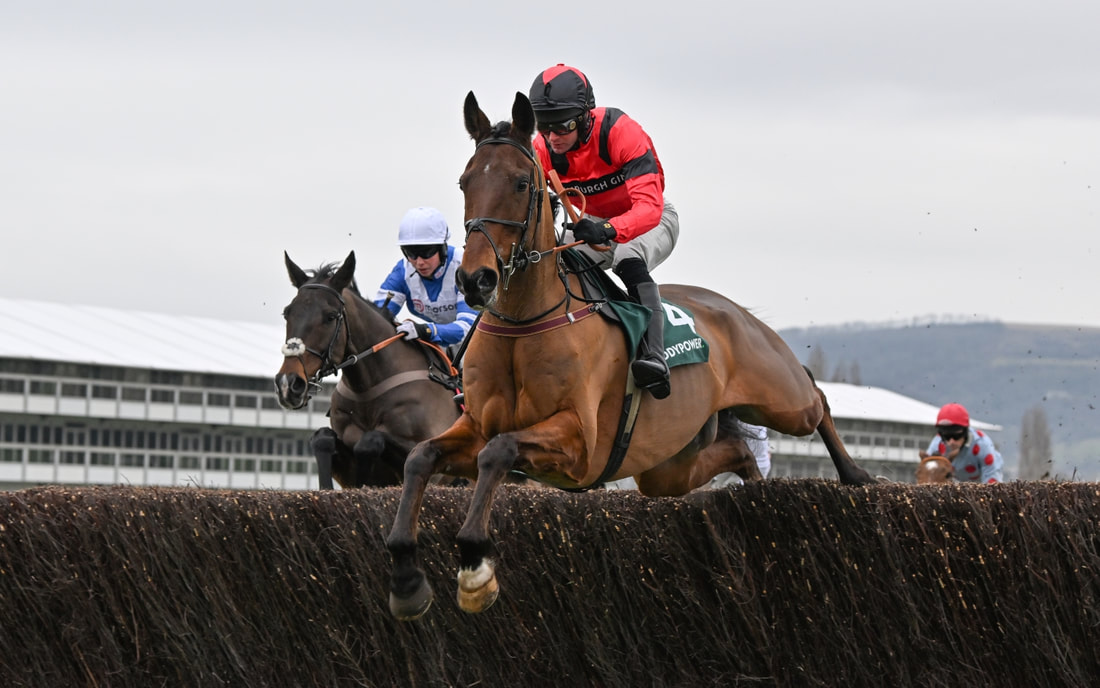 Happy New Year! Our highly anticipated Top 50 Pubs in the Cotswolds guide for 2024 will be landing very soon. It's always hugely popular with the last two years' additions both attracting over 250,000 views, which it is absolutely ridiculous! A huge thank you to all of our readers and followers for their incredible support. 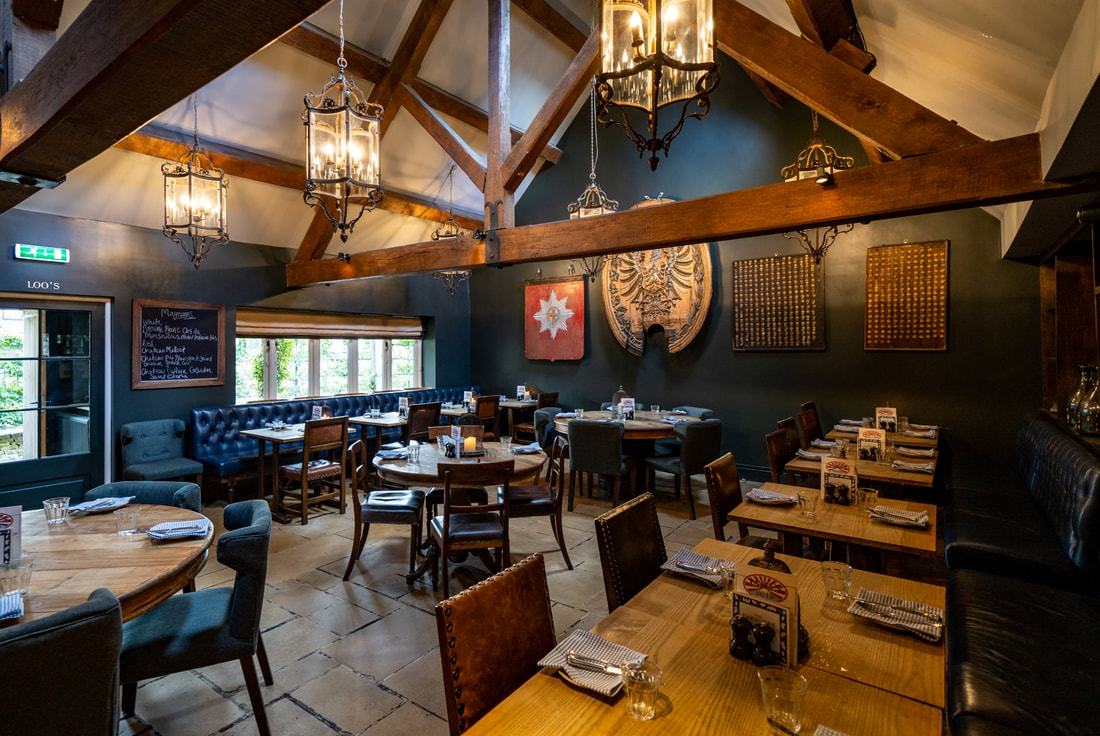 Regardless of how you celebrated New Year’s Eve, there is no better way to jump into 2024 than racing on New Year’s Day at Cheltenham. Thrilling and high-quality racing action, that is sure to provide Cheltenham Festival insight, fresh air, and amazing free family entertainment. There are seven highly-competitive races on the day with Graded and Listed contests, the racing action will blow away those New Year’s Eve cobwebs. Featuring live music from LAMPA in The Village and the ever-popular Family Fun zone and live music in The Centaur after racing from Tommy & the Fuse, there is top-class entertainment for children and adults alike. The biggest Cheltenham Festival clue we got last year, came in the shape of The Real Whacker landing the Grade 2 Paddy Power Dipper Chase beating the Paul Nicholls trained favourite by 3 and ¾ lengths. The Real Whacker went on to be triumphant in the Grade 1 Brown Advisory Novices’ Chase at the Cheltenham Festival. Marie’s Rock made her seasonal reappearance by winning the Grade 2 [email protected] Relkeel Hurdle, for Nicky Henderson and Middleham Park Racing. She went on to run in the highly anticipated Grade 1 Close Brothers Mares Hurdle, on the opening day of the Cheltenham Festival, it wasn’t her day, but that race provided one of the most memorable moments of the Festival, when Honeysuckle returned victorious to a rip roaring reception, branding her the Queen of the Cheltenham. Under 18’s race free and do not require a ticket to enter. Please note: The Family Fun zone is only available to club/tattersalls ticket holders. 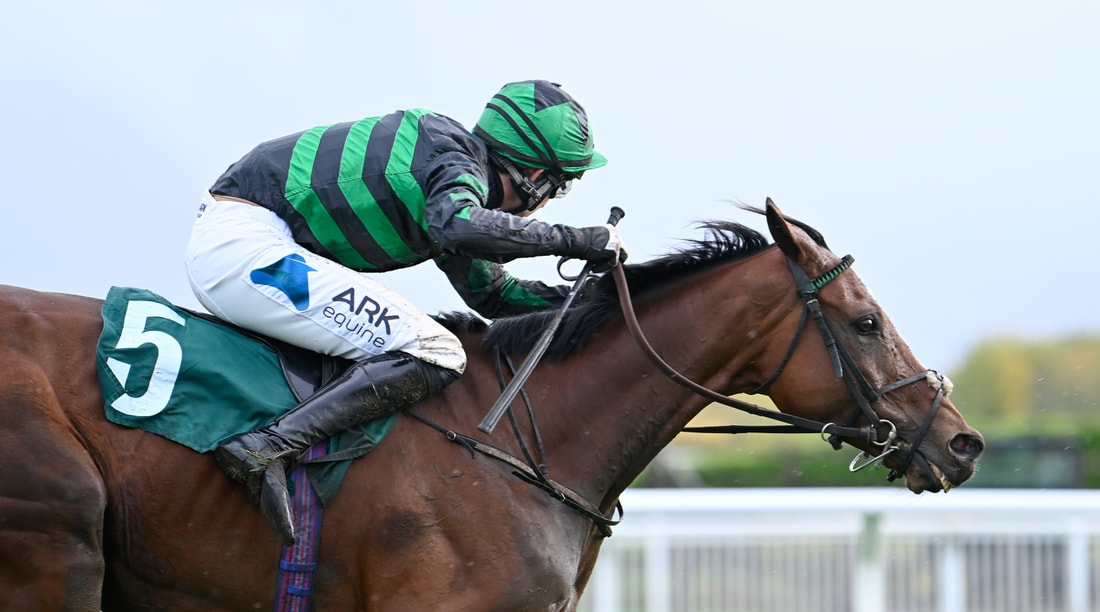 For many, the January blues hit very hard. However, we have found some great ways to shake them off with our pick of the best events taking place around the Cotswolds throughout the month. NEW YEAR'S DAY RACING AT CHELTENHAM MONDAY 1ST JANUARY 2024 • CHELTENHAM RACECOURSE Regardless of how you celebrated New Year’s Eve, there is no better way to jump into 2024 than racing on New Year’s Day at Cheltenham. Thrilling and high-quality racing action, that is sure to provide Cheltenham Festival insight, fresh air, and amazing free family entertainment. There are seven highly-competitive races on the day with Graded and Listed contests, the racing action will blow away those New Year’s Eve cobwebs. www.thejockeyclub.co.uk/cheltenham/events-tickets/new-years-day TOM RAVENSCROFT & DJ FOOD FRIDAY 5TH JANUARY 2024 • DEYA BREWERY, CHELTENHAM For their reopening night of 2024, Deya are bringing in mainstays from two British institutions you can really be proud of - BBC 6 Music and Ninja Tune! Tom Ravenscroft is host (along with deb Grant) of 6 Music's daily New Music Fix, and one of the UK's most respected broadcasters and DJs. DJ Food is a name that needs no introduction for Ninja Heads. With nearly 25 years of DJing experience and more than a decade serving up Food for DJs, for both Ninja and Coldcut's weekly radio show 'Solid Steel', Kev is now in the Food hot seat. deyabrewing.com/event/tom-ravenscroft-dj-food-deya-re-opening-night-2024-2024-01-05/ BATH v GLOUCESTER SUNDAY 7TH JANIARY 2024 • THE REC, BATH A West Country derby is the perfect way to start the new year. These games are usually fierce battles with Gloucester seeking revenge from a 27-45 defeat at Kingsholm back in November. www.gloucesterrugby.co.uk SHAPARAK KHORSANDI & FRIENDS SATURDAY 13TH JANUARY 2024 • SUNDIAL THEARTRE, CIRENCESTER Join superstar comic Shaparak Khorsandi (Live At The Apollo, I'm a Celebrity Get Me Out Of Here!) and two hilarious guests for an evening of hilarity! A rare chance to see Shaparak perform in an intimate venue. www.sundial-theatre.co.uk/event-listing THE SOUND OF SPRINSTEEN SATURDAY 13TH JANUARY 2024 • EVERYMAN THEARTRE, CHELTENHAM The Sound of Springsteen brings to the stage some of the greatest hits and deep cuts from Bruce Springsteen and the E Street Band and continues their ever-popular tour around the UK. www.everymantheatre.org.uk/shows/the-sound-of-springsteen/ THE ROCKET MAN: A TRIBUTE TO SIR ELTON JOHN MONDAY 15TH JANUARY 2024 • EVERYMAN THEATRE, CHELTENHAM This is the world’s favourite celebration to a musical icon. Join us as Jimmy and our amazing live band take you down the Yellow Brick Road with two hours of glorious Elton hits, including, Saturday Nights Alright, Crocodile Rock, I’m Still Standing, Philadelphia Freedom, and many, many more. www.everymantheatre.org.uk/shows/the-rocket-man/ JESCA HOOP SATURDAY 20TH JANUARY 2024 • THE SUB ROOMS, STROUD California-born but now based in Manchester, UK, Jesca Hoop is what you’d call a musician’s musician. Discovered by Tom Waits and brought on tour by Peter Gabriel to sing in his band, it was a phone call from Elbow’s Guy Garvey that saw her move to the UK. Hoop's 6 studio albums including her most recent album “Order of Romance”, produced by John Parish (PJ Harvey, Aldous Harding, This is the Kit), all received huge acclaim from critics and fans alike, and it’s easy to see why: Jesca Hoop is one of our most captivating singers. Her beautiful songs, rooted in the folk tradition are intricately detailed, acoustic-led pieces that teem with ideas, expertly crafted lyrics and melodies that spring from a deeply curious imagination. thesubrooms.co.uk/whats-on/jesca-hoop COCKLEBARROW RACES SUNDAY 21ST JANUARY 2024 • COCKLEBARROW FARM, ALDSWORTH Cocklebarrow Races is the only Heythrop Point to Point of the year and attracts people from all over the UK (and world). However, in the main, the majority of our 4,000+ visitors hail from surrounding Gloucestershire, Oxfordshire, Wiltshire and Warwickshire. www.cocklebarrowraces.com THE WORLD ACCORDING TO KALEB THURSDAY 25TH - SATURDAY 27TH JANUARY 2024 • EVERYMAN THEATRE, CHELTENHAM Kaleb Cooper, Chipping Norton’s finest celebrity farmer and Sunday Times bestselling author, who shot to fame starring in Prime Video series, Clarkson’s Farm, has decided to conquer his fear of the unknown and embark on his first ever theatre tour with The World According to Kaleb. www.everymantheatre.org.uk/shows/the-world-according-to-kaleb-kaleb-goes-on-tour/ ROMESH RANGANATHAN: HUSTLE FRIDAY 26TH JANUARY 2024 • CHELTENHAM TOWN HALL After a sell-out tour in 2022, Romesh is back with his new show which examines the human condition… are people inherently good? Is charity always a positive thing? Is hustling the key to success? Or is all this a load of rubbish we’ve made up to keep people working hard for no reason. cheltenhamtownhall.org.uk/event/romesh-ranganathan-hustle/ FESTIVAL TRIALS DAY SATURDAY 27TH JANUARY 2024 • CHELTENHAM RACECOURSE Excitement, anticipation and expectation is building. It is the final opportunity to see the sports protagonists go out to battle on Cheltenham Racecourse’s hallowed turf before the Cheltenham Festival. What horses will catch the eye before those four days of extraordinary in March, will we see returning champions defending their crown? Whilst anything can happen in March, Festival Trials day maybe able to give us a clearer picture. www.thejockeyclub.co.uk/cheltenham/events-tickets/festival-trials-day TOM DAVIS: UNDERDOG SUNDAY 28TH JANUARY 2024 • CHELTENHAM TOWN HALL Tom Davis is best known for hit shows King Gary, The Curse, Live at the Apollo and Murder in Successville, as well as his hugely popular podcast Wolf and Owl with Romesh Ranganathan, which has received critical acclaim and sold out live shows. Tom is also known for multiple appearances on A League of Their Own, Ranganation, Judge Romesh, and Action Team. cheltenhamtownhall.org.uk/event/tom-davis-underdog/ The Cheltenham Festival is the pinnacle event of the jump-racing calendar, and this year will be bigger than ever as we celebrate 100 years of the Cheltenham Gold Cup. In March 2023, Galopin Des Champs and Paul Townend became legends and wrote themselves into the history books with a scintillating performance in the Gold Cup - racing's most esteemed race. The Cheltenham Gold Cup is the one they all long to win, many times over, above all others. Greats become legends and legends rewrite history. With four breath-taking days and 28 races, including 14 Grade 1 races, nowhere beats Cheltenham for the unrelenting prestige, competition, and pure excitement. BUY TICKETS After a brief hiatus, one of Cheltenham's most cherished restaurants will reopen its doors this December. A true icon in the town's culinary landscape, The Mayflower will aim to rekindle the flavours that have long been etched into the memories of locals and visitors alike, with new owners Jay Ahmed and Michael Raphel paying homage to the Kong family who created and ran this much-loved restaurant for over 40 years. Diners at The Mayflower can expect a meticulously crafted menu that celebrates the diverse regional cuisines of China. The menu will showcase a myriad of influences, combining the best of classic Chinese dishes to Cantonese and East Asian favourites, all created with a passion for uniquely rooted recipes yet with a contemporary flair, showcasing the wonderful flavours of east Asia. The restaurant's interior is a blend of modern elegance and traditional Chinese design elements, creating a warm and inviting atmosphere. Reservations will be open from mid December and bookings can be made through the restaurant's website www.themayflowerrestaurant.co.uk or by calling 01242 522426. You can sign up to receive news from The Mayflower by clicking on the link above. 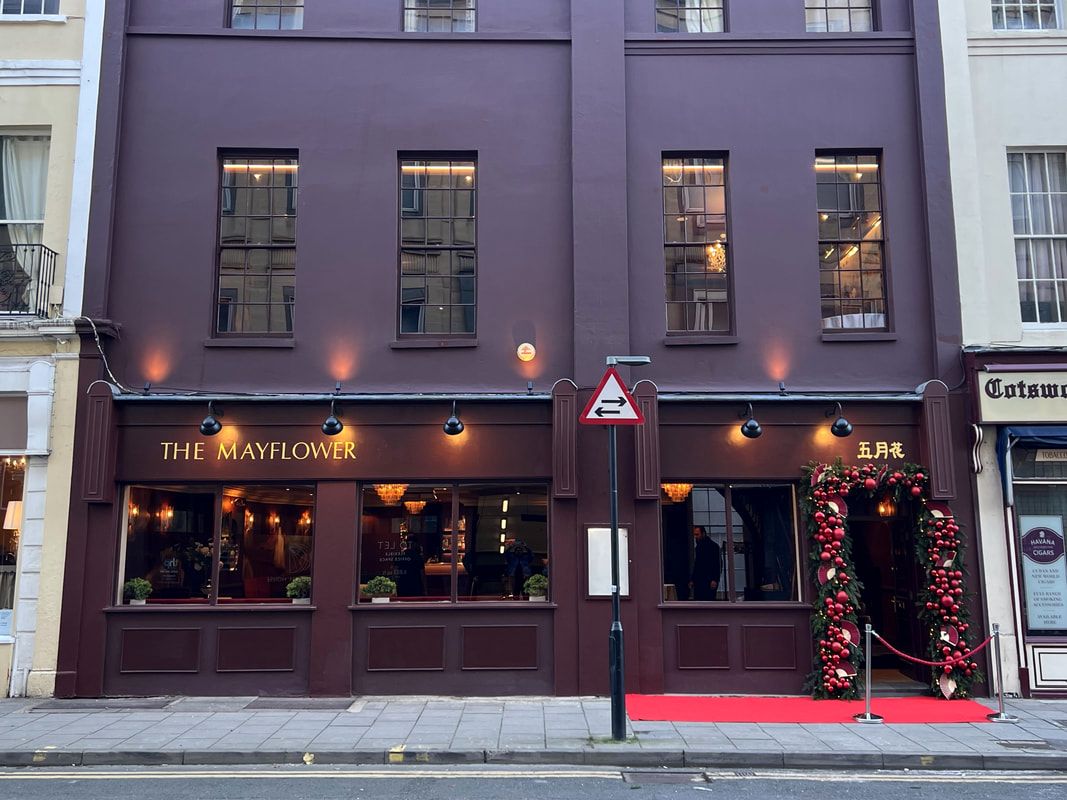  Start your Christmas celebrations off in style with a weekend of top-quality racing on Friday 15 and Saturday 16 December. With the big day just days away, The Christmas Meeting brings joy and excitement for all. This two-day meeting is one of the highlights of the Christmas racing calendar and kick starts the festive sporting season. Across the two days there is top quality racing on offer, with a total of 14 races to enjoy, from the adrenaline rush of the Glenfarclas Cross-Country race to the The Virgin Bet December Gold Cup. With Grade 2 and 3 racing action, including some highly competitive Cheltenham Festival trials, including the JCB Triumph Hurdle trial and the Albert Bartlett Novices Hurdle trial, it is a key race meeting for Cheltenham Festival clues. Off the track, they is a heap of entertainment for all ages across the weekend. Friday will be filled with Christmas cheer across the racecourse with entertainment from The Hipcats performing Christmas hits on the Quevega Stage to Got2Sing Choir entertaining racegoers with Christmas Carols throughout the day. Saturday is their Christmas Extravaganza themed family fun, including meeting Santa and his elves in Santa’s Grotto. Santa’s elves will also be there to help with your Christmas crafts including - letters to Santa, making a magical Christmas wish to leave on the special night and designing snowflakes. Pampered Pony rides will also be available from Santa's Grotto on Saturday at 10:00 till 15:30 for children of all ages to enjoy around the tented village. The Hipcats and Got2Sing will also return on Saturday for festive music and entertainment throughout the day. The Tattersalls Cheltenham Sales are back on the Friday of The Christmas Meeting, the racing sales will offer a select group of winning and placed point-to-pointers and form horses after racing in the sales ring. Under 18’s race free and do not require a ticket to enter. For all the information and tickets, please visit www.thejockeyclub.co.uk/cheltenham  Returning to Cheltenham Racecourse on March 23 2024, the gala dinner offers a night of fine dining and entertainment, with plenty of opportunities to raise money for the 4Ed campaign, established in July 2022 by Gloucester Rugby as a way of generating awareness and funds following Ed Slater’s diagnosis with Motor Neurone Disease (MND). The 2023 event saw over £250,000 raised for the campaign through ticket sales, silent and live auctions, and a raffle. The money generated contributed significantly towards adaptations to Ed’s home as well as creating precious memories for him, his wife, Jo, and their three young children. With 4Ed now adopted by the Gloucester Rugby Charitable Foundation as a restricted fund, all money raised from next year’s dinner will be used to provide bursaries for families affected by MND in Gloucestershire to access support, including funding vital equipment, changes to the home, family days out, or psychological provision.
For all information, visit www.gloucesterrugby.co.uk 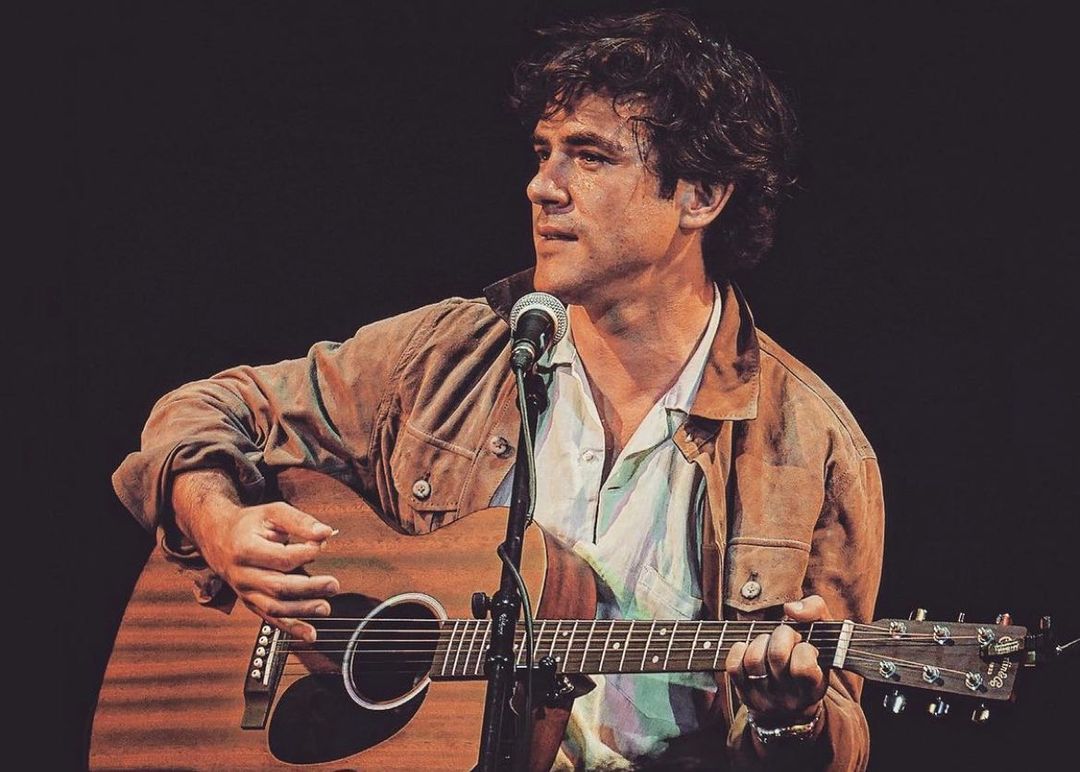 Cheltenham Jazz Festival is offering audiences a sneak-peak of their exciting 2024 programme, releasing tickets for six of the acts that will grace its storied stages in the spring.
Set to headline the Festival’s iconic Big Top in 2024 are singer-songwriter Jack Savoretti and pop reggae royalty UB40. Electronica pioneers Morcheeba will also take the stage. Superstar saxophonist and former Jazz Warrior Courtney Pine and Grammy-winning singer-songwriter Dee Dee Bridgewater will also make the trip to Cheltenham. And West African dance legends Orchestra Baobab will perform in a double-headline show with Afro Jazz innovators Nubiyan Twist. “This first release of tickets for our exciting 2024 programme reflects the Festival’s long-standing commitment to celebrating the influences of jazz across all musical genres,” says Ian George, Head of Programming for the Jazz Festival and co-CEO of parent charity Cheltenham Festivals. “We celebrate all the genres that have jazz in their DNA by bringing the best of contemporary UK, US and European jazz to our Festival Village and across the town of Cheltenham,” he explains “The breadth of jazz’s influence is unique. From pop to soul, blues to world music, we are always so spoiled for fantastic musicians at Cheltenham. From orchestras and big bands to club sessions and late-night jams, the Festival runs the gamut of the music – as this line-up proves!” Jack Savoretti has appeared at Cheltenham once before, and is excited to return to a Festival he believes has a unique character. “Cheltenham Jazz Festival is one of those Festivals you always want to play, our first show there was incredible and I look forward to returning next year.” The Festival also always looks forward to the future of the music, playing host to fresh new names and pushing the boundaries of the genre’s definition. Morcheeba’s Skye Edwards thinks this commitment to fostering the next generation is more important than ever. “We're looking forward to performing at Cheltenham. It has such a great reputation for having an eclectic mix of bands and genres. There’s a place for new talent alongside the established names which makes this a very vibrant festival for everyone!” Tickets for the early announcement shows will be available to the public from 27 November via cheltenhamfestivals/jazz/. The full programme for Cheltenham Jazz Festival 2024 will be revealed in February. |
Archives
July 2024
Categories
All
|




 RSS Feed